Short answer: The best restaurant video ideas are the things your team already does every night: prep, family meal, the first ticket, the rush and close. Give one named person per shift the job of filming those moments from safe spots, and a single shift of footage can fill a week of reels, stories and feed posts.
Most owners think they need a list of clever restaurant video ideas before they can post. You probably don't. The good material is already in your building: a cook breaking down a case of onions before open, a server writing the special on the board, the regular who orders the same thing every week, the line that forms when the dinner rush starts. Usually nobody is filming any of it.
This guide is a capture system, not another idea list. It covers who films, when in the shift they film, what to shoot at each moment, how to set up the phone, and how to turn one night of clips into a week of content. There is no staging, no props and nothing that slows down service.
Why should a restaurant film what's already happening?
Filming real service works because diners check your social pages before they visit, and what they want to see is the actual food and the actual room. According to Toast's 2024 survey of diners who use social media at least weekly, 62% say they sometimes check a restaurant's social media before deciding to eat there. In the same Toast survey, 84% said they prefer to see photos of the food and drinks a restaurant serves.
Social media is also standing in for search. Toast's 2024 survey found that 42% of diners would rather use social media than search engines like Google or Yelp to find new restaurants. When someone in Montrose is deciding where to eat tonight, your last few posts act as your menu, your storefront and your first impression at the same time.
Staged content needs a planning meeting, a slow afternoon and someone willing to perform. Real service happens whether you film it or not. Once you start capturing it, you stop running out of restaurant social media content ideas, because every shift produces new ones.
Who should film, and when in the shift?
One named person per shift should own filming, and they should film in the natural gaps of the night: before doors open, during family meal, right after the first ticket, from a fixed spot during the rush, and at close. Nobody films while they are supposed to be cooking, plating or running food.
Naming one person matters more than picking the perfect person. When filming is everyone's job, it ends up being nobody's job, and the phone stays in a drawer. Put the name on the schedule next to the shift, the same way you assign opening or closing duties.
Good choices are usually a host, a server who comes in early, a manager who walks the floor anyway, or a sous chef who has a minute between pushes. Pick someone who already moves around the building and who won't leave a station uncovered to grab a shot. You can rotate the job across the week, but keep it to one person on any given shift.
Keep the expectation small and clear. The filmer isn't making finished videos; they are collecting raw clips at the same moments every night. Editing and posting happen later, by someone else or by the same person when they aren't working service. If you are thinking about paying someone to film instead, our breakdown of what restaurant video production costs in Houston covers the options.
What should a restaurant film during a normal shift?
A restaurant should film the same handful of moments every shift: pre-open prep, family meal, the first ticket, the rush and close. These are the most dependable restaurant video ideas you have, because they happen every night and look a little different each time. If you've ever stood in your own dining room wondering what to film at a restaurant, start with this list on your next shift.
Pre-open prep
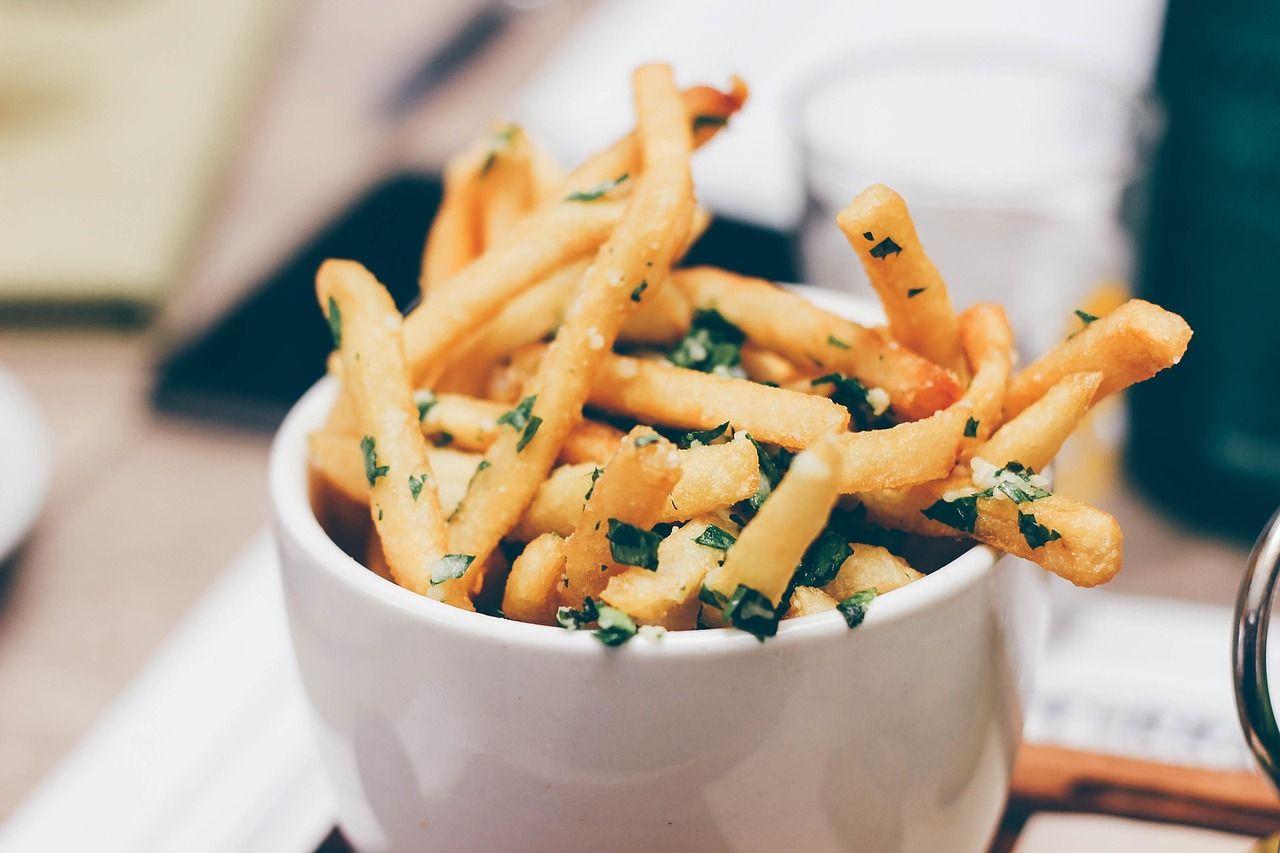
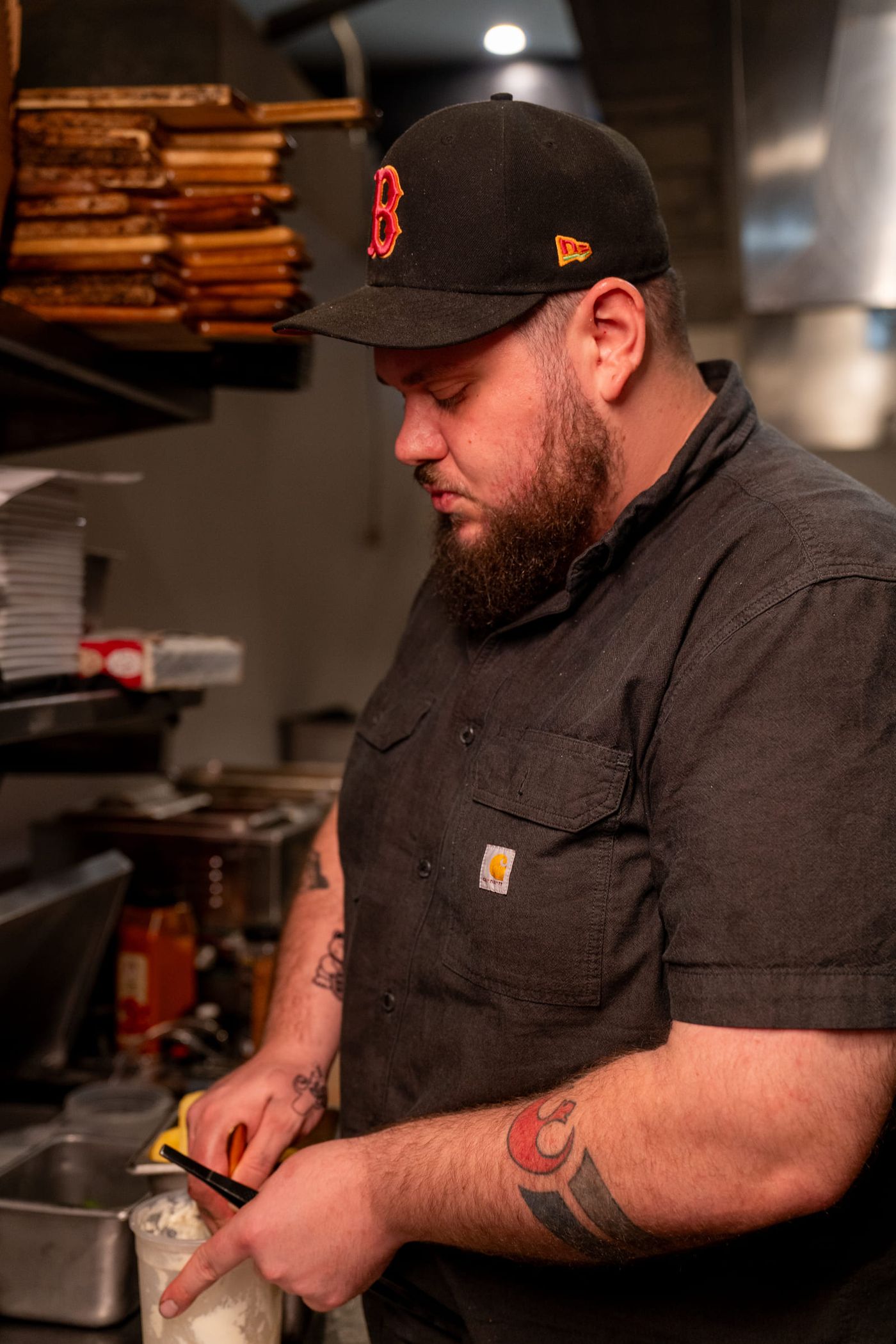
Prep is the strongest behind the scenes restaurant content you have, because the kitchen is calm, the light is steady and everything is in motion. Shoot knife work up close, sauce going into containers, dough being portioned, proteins being trimmed and the walk-in being stocked. Hold the phone still and let the action move through the frame.
This is also when the specials go up. Film the board being wiped and written, and if the kitchen is already plating the special for the staff lineup, film that plate on the pass. Don't ask anyone to make a dish just for the camera.
Family meal
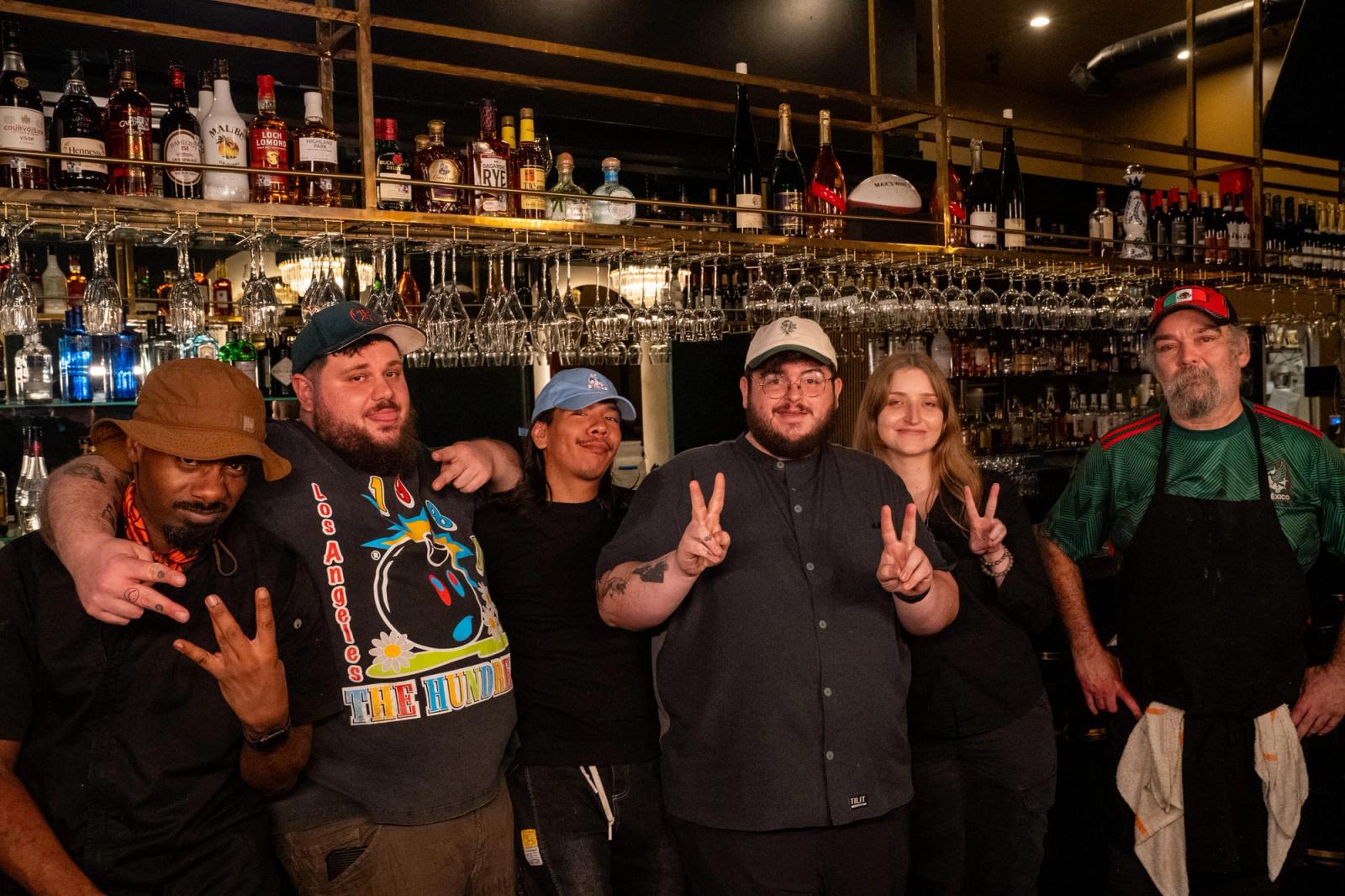
Family meal shows your crew as people, which is something guests rarely get to see. A wide shot of the team eating together, a close shot of whatever the kitchen made and a moment of the crew laughing at the table all work. Ask before you point the phone at anyone, and leave out anyone who would rather not be in it.
The first ticket
The first ticket gives a reel a natural opening. Film the printer firing, the ticket going up on the rail and the first plate landing on the pass. Stand beside the pass, not in front of it, so you stay out of the path of the expo and the runners.
The rush, from a safe spot
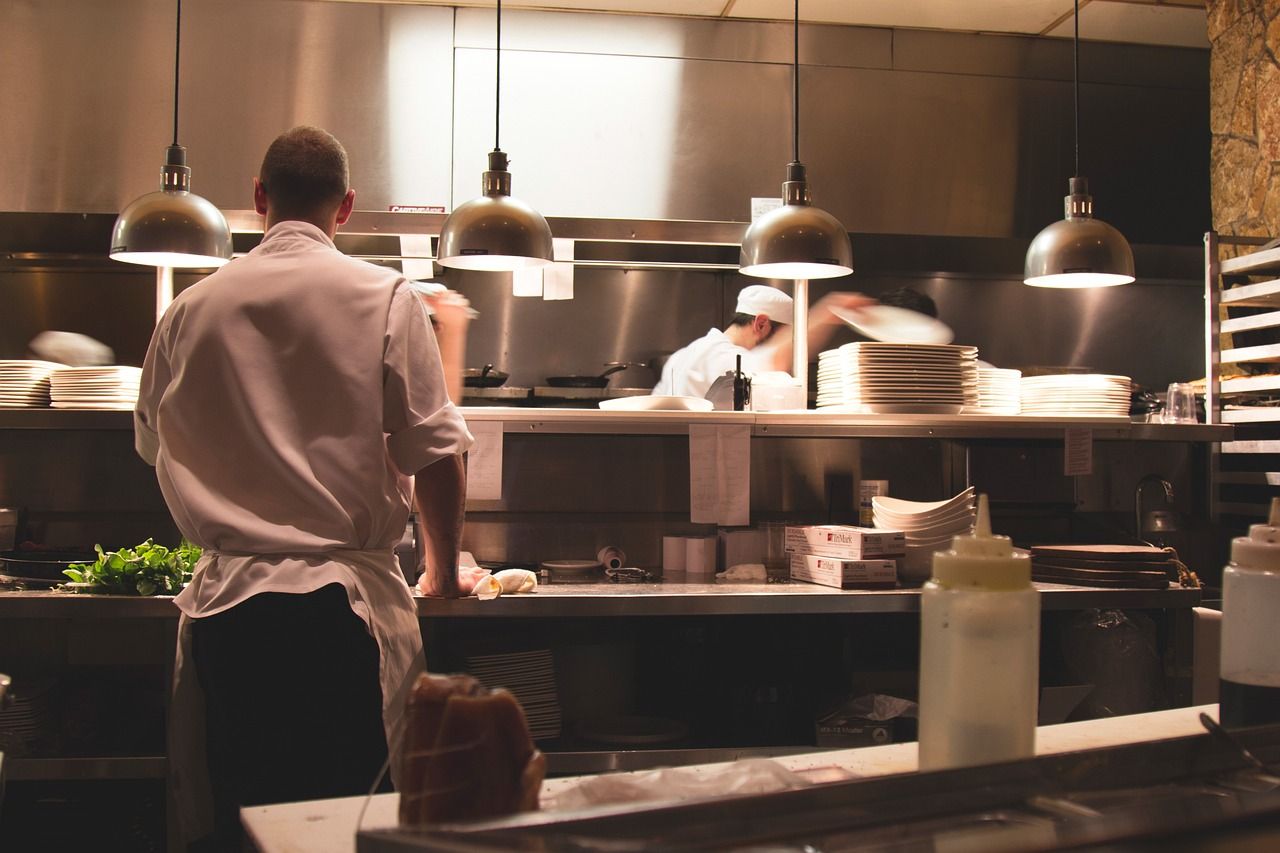
The rush is what makes people want to come in, so film it, but only from a spot the chef has agreed to ahead of time. Good spots are the end of the pass, the corner by the dish station, the host stand or a back corner of the dining room. From there you can catch flames on the line, plates lining up under the heat lamp, a full room and the line out the door.
The line deserves its own clip. Toast's 2025 survey found that walking or driving past is the second most common way guests find a new restaurant, at 30%, behind word of mouth at 38%. A line on the sidewalk does that work for people driving by, and a short clip of it does the same work for people scrolling by.
Regulars and the room
Regulars make some of the warmest footage you can post, as long as they say yes first. Film their usual order arriving, a handshake at the door or a wide shot of the room filling up. If someone would rather stay off camera, film the plate and their hands instead of their face.
Close
Close is quiet, honest footage that people enjoy more than owners expect. Film chairs going up, the flat top being scraped, the last rack going through the dish machine and the lights going off. A shot of the crew finally sitting down is a good way to end a reel built from the whole shift.
How do you set up a phone for filming in a restaurant?
Use one shared phone that is charged, cleaned and set to shoot vertical video with notifications off before the shift starts. Keeping it to one device means every clip from the night ends up in the same place, and nobody has to chase footage from personal phones the next morning.
A short setup list for whoever opens:
- Wipe the lens. Kitchen air leaves a film of grease on glass, and it makes footage look hazy. Keep a microfiber cloth wherever the phone lives.
- Shoot vertical. Reels, stories and TikTok are all vertical, and sideways clips get cropped.
- Turn on Do Not Disturb. A notification sliding in mid-clip can ruin a good shot.
- Lock focus and exposure. On most phones you can press and hold on the subject until a lock appears, which keeps the picture from pulsing as people walk through the frame.
- Use the main camera and move closer. Digital zoom looks soft. If you can't get closer safely, pick a different shot.
- Check battery and storage. Plug it in at the host stand or the office between moments.
- Give it a home. A shelf in the office or behind the host stand works, as long as it is away from prep surfaces.
Let each clip run a few seconds before and after the action. That cushion gives whoever edits room to cut cleanly. Leave the natural sound on, too: the sizzle on the flat top, the ticket printer and the expo calling out orders make a better soundtrack than most music.
How do you film in a busy kitchen without slowing service?
You film in a busy kitchen by staying in chef-approved spots, shooting in short bursts and only picking up the phone when you have nothing else to do. The chef or kitchen manager has the final say on the line. If they say not now, the phone goes back on the shelf.
A few house rules keep everyone safe and keep tickets moving:
- Never step onto the line or into a cook's path to get a shot.
- Never ask anyone to redo, slow down or hold a plate for the camera.
- Keep the phone off prep surfaces and out of the pass window.
- Wash your hands after handling the phone and before touching food.
- No flash and no extra lights pointed at the line.
The goal is for the kitchen to forget the phone is there. The best footage happens when cooks are focused on the work, not on the camera. If a moment gets missed, that's fine, because the same moment comes back tomorrow night.
Picture a pho shop on Bellaire Boulevard where the host is the filmer. Before open, she films the broth being skimmed and the herb plates being stacked. During the rush, she films the line out the door and the pickup window from the host stand, and she never sets foot in the kitchen while tickets are up. The cooks barely notice, and she still goes home with a full night of clips.
How do you turn one shift of footage into reels, stories and posts?
Put every clip into one shared album at the end of the night, then sort it the next morning into stories for today, reels for the week and stills for the feed. That sorting step takes less time than a planning meeting, and it turns a single shift into a week of material.
Stories: post while it's true
Restaurant Instagram stories are for things that are true right now. The specials board going up, the first plate of the night and the line at the door can go up during the shift or first thing the next day. They don't need editing; the dish name and a short line of text are enough.
Reels: follow the shape of the night
Restaurant reels work best when they are short and tell one small story. Sprout Social's 2026 research found that 52% of social media users interact most with short-form video under 60 seconds on Instagram, while only 19% favor videos longer than that. Sprout Social's numbers for Facebook point the same way: users there are most likely to interact with short-form video (48%), ahead of text posts (32%). Our guide to turning a clip from service into a good Reel covers the hook, the length and the captions.
One shift usually holds several reels, and these restaurant video ideas all come from the same night of footage:
- Prep to close. One clip from each moment, in order, ending on the lights going off.
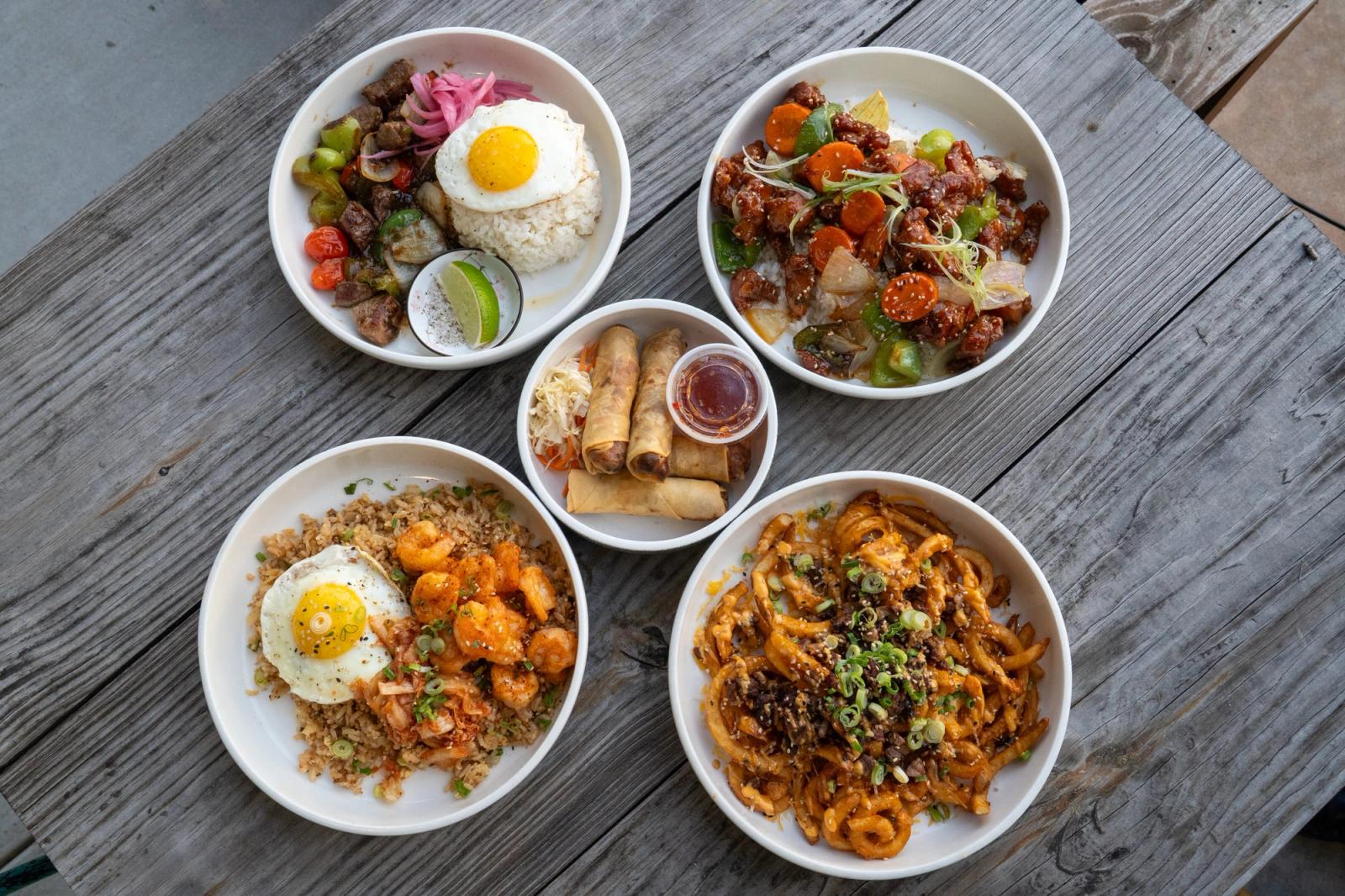
- One dish, start to finish. Prep, the ticket, the plate on the pass and the plate on the table.
- The special. The board going up, the dish being made and the first one going out.
- The crew. Family meal, a few faces on the line and the team sitting down after close.
Each of these stands on its own, so you can spread them across the week instead of posting them all at once.
Feed posts: stills and single clips
Pause on the best frame of a dish or the team and save it as a photo, or post your single strongest clip as it is. Write captions that say plainly what's in the frame and when someone can come get it. Then watch the comments: according to Toast's 2024 survey, 43% of diners say it's very important for restaurants to reply to comments or messages on social media.
If you want a posting rhythm to drop this footage into, our 90-day social media plan built around your shifts lays out the calendar. And if you'd rather hand off the editing, posting and replies entirely, that's what our social media management service is for.
A 90-day marketing plan for your restaurant
Fifteen pages covering what to post, what to spend, and what to track with a content calendar and ideas for you to post with.
Plan will be delivered via email with the PDF attached.
We only use your email to send the plan. Privacy policy
Do guests and staff need to agree to be filmed?
The safest habit is to get a clear yes from anyone who will be recognizable in a post, and to check the rules with a lawyer or the Texas Restaurant Association before you publish. Recording rules vary from state to state, especially for audio, and this guide isn't legal advice.
A few practical habits help regardless of what the rules say:
- Ask staff ahead of time, in writing, whether they're comfortable appearing in posts, and respect a no without making it awkward.
- Ask guests before filming them. When you haven't asked, frame the shot on plates, hands and the room instead of faces.
- Avoid recording guests' conversations. Kitchen sound or music is safer than table talk.
- Be extra careful with children, and leave them out unless a parent has said yes.
- If anyone asks you to take a clip down, take it down.
These habits also make better content. People who agreed to be on camera look relaxed, and relaxed footage feels like the real place.
How did this work for a Houston restaurant?
Yoyo's Hotdog shows that a menu that never changes can still carry plenty of content. Yoyo's spent over a decade as the place you lined up for after a night out, and that reputation kept the lights on but had stopped bringing new people in. We rebuilt the brand, the content and the loyalty program around a menu that never changed.

According to our Yoyo's Hotdog case study, the result was 229% sales growth in year one and 38,000 loyalty members from zero. You can read how it came together in the Yoyo's Hotdog case study. The takeaway for this guide is simple: the best restaurant video ideas don't depend on something new on the menu.
Want us to film the first shift with you?
If you'd like to see these restaurant video ideas worked through on your own floor, book a demo shoot. We spend two hours filming at your restaurant during a normal service, without staging anything or slowing anyone down. Three days later you get a reel, ten photos and a written plan for what to film next, and you keep the content either way. For ongoing shoots after that, see our video production for restaurants and bars.
Book your demo shoot and we'll find a shift that works for your kitchen.