Short answer: The right pick among food and beverage marketing agencies is the one that puts its monthly work in writing, charges a fee that fits your sales, and leaves you owning your accounts, photos and customer list. Before you sign anything, ask specific questions, check their restaurant work, and make sure every login is in your name.
Most lists of food and beverage marketing agencies are written by the agencies on the list. We're an agency too, so we'll say that up front. This guide is written from the owner's side of the table: what an agency should do each month, what it tends to cost, what to ask, which red flags to watch for, and what you should own no matter who you hire.
If you're thinking about hiring help, you're not alone. Square's 2025 Future of Restaurants report found that three in four restaurant owners were spending more time on business operations than a year earlier, with marketing and social media among the top three areas taking up that time. That survey covered owners in the US, UK, Canada and Australia, but the pattern will sound familiar to anyone running a kitchen in Houston.
Toast's Voice of the Restaurant Industry survey, published in 2024 and based on a blind survey of 847 US restaurant decision-makers, named marketing as one of the top pain points for independent operators, next to inflation, hiring and foot traffic. The work matters, it takes time, and it's reasonable to hand some of it off. The goal is to hand it to the right people on the right terms.
What does a food and beverage marketing agency actually do each month?
A good agency handles a defined set of recurring jobs every month: making content, posting it, answering comments and messages, keeping your Google listing current, and running whatever email, text or ad campaigns you've agreed on. The exact mix depends on your restaurant, but it should never be vague.
The National Restaurant Association's 2024 Restaurant Technology Landscape Report found that digital and location-based marketing was operators' top technology investment priority for the year, named by 64% of full-service and 62% of limited-service operators. The report defines that category as social media profiles and ads, digital loyalty programs, email and text marketing, and SEO. That's close to the full menu of what an agency might take on.
Here's what that usually looks like in practice:
- Content: photo and video shoots at your restaurant, turned into posts, stories and reels.
- Calendar and captions: a posting schedule you approve ahead of time, so nothing goes out that surprises you.
- Community: replies to comments and direct messages, including questions about hours, parking and reservations.
- Google Business Profile: accurate hours, current photos and menu, and responses to reviews.
- Email and text: growing your guest list and sending messages that fill slower nights.
- Paid ads: campaigns aimed at one clear outcome, with the budget in your name.
- Reporting: a short monthly summary tied to the numbers you care about.
The community work is easy to skip and shouldn't be. In Toast's 2024 diner study, 43% of diners said it's very important for restaurants to respond to comments or messages on social media. Reviews follow the same pattern: BrightLocal's Local Consumer Review Survey 2024 found that 88% of consumers would use a business that replies to all of its reviews, compared with 47% for a business that doesn't respond at all.
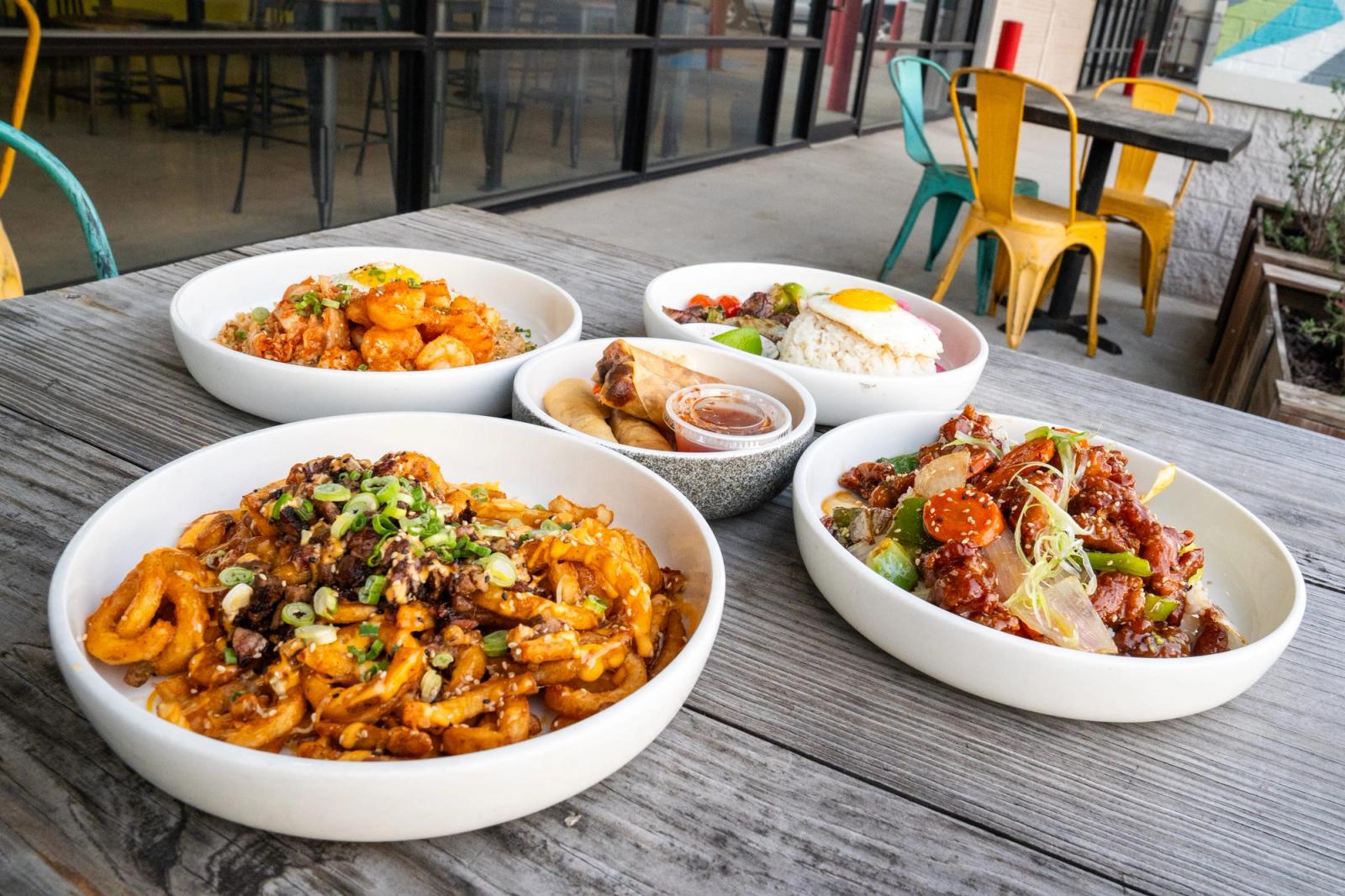
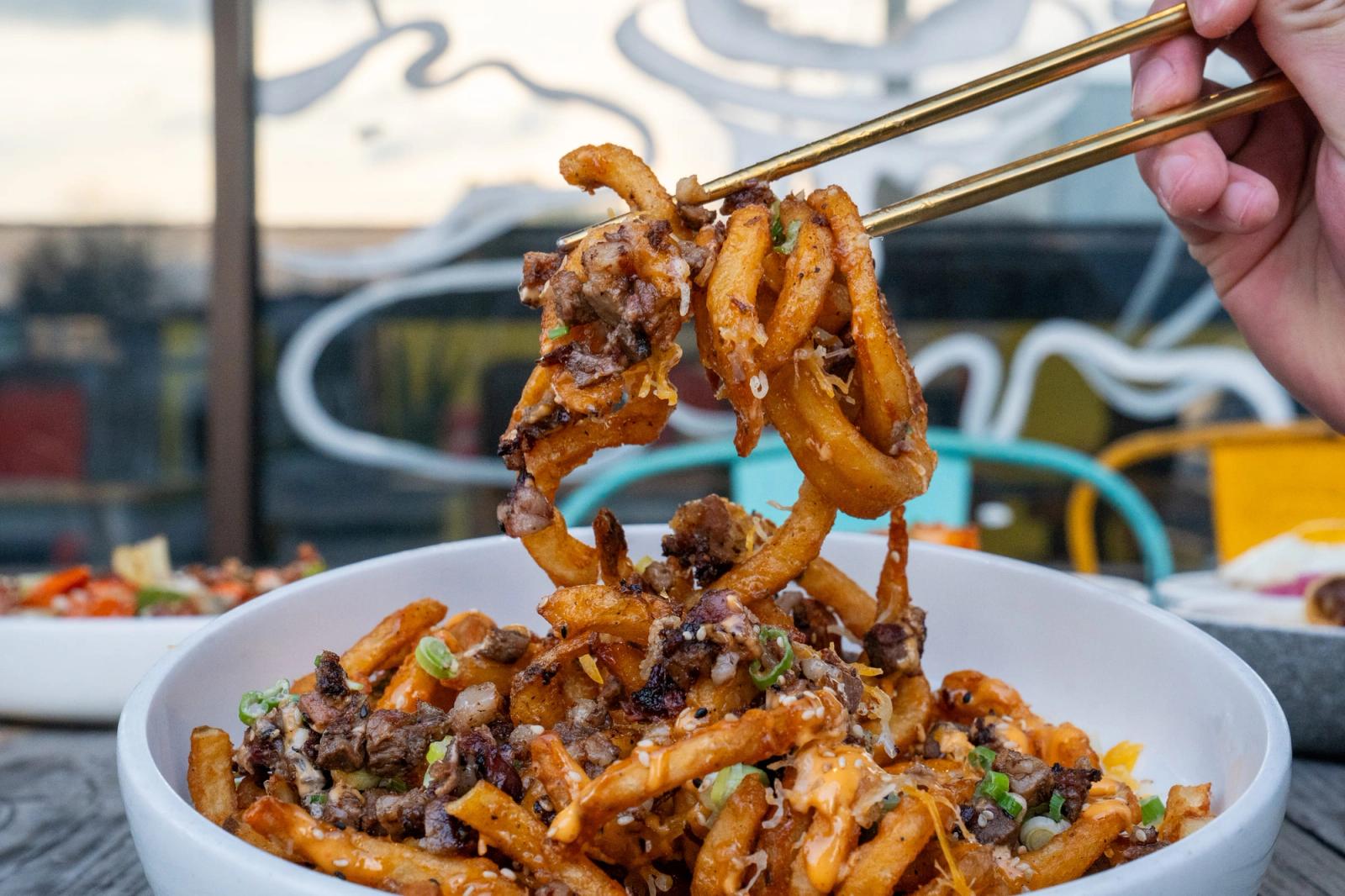
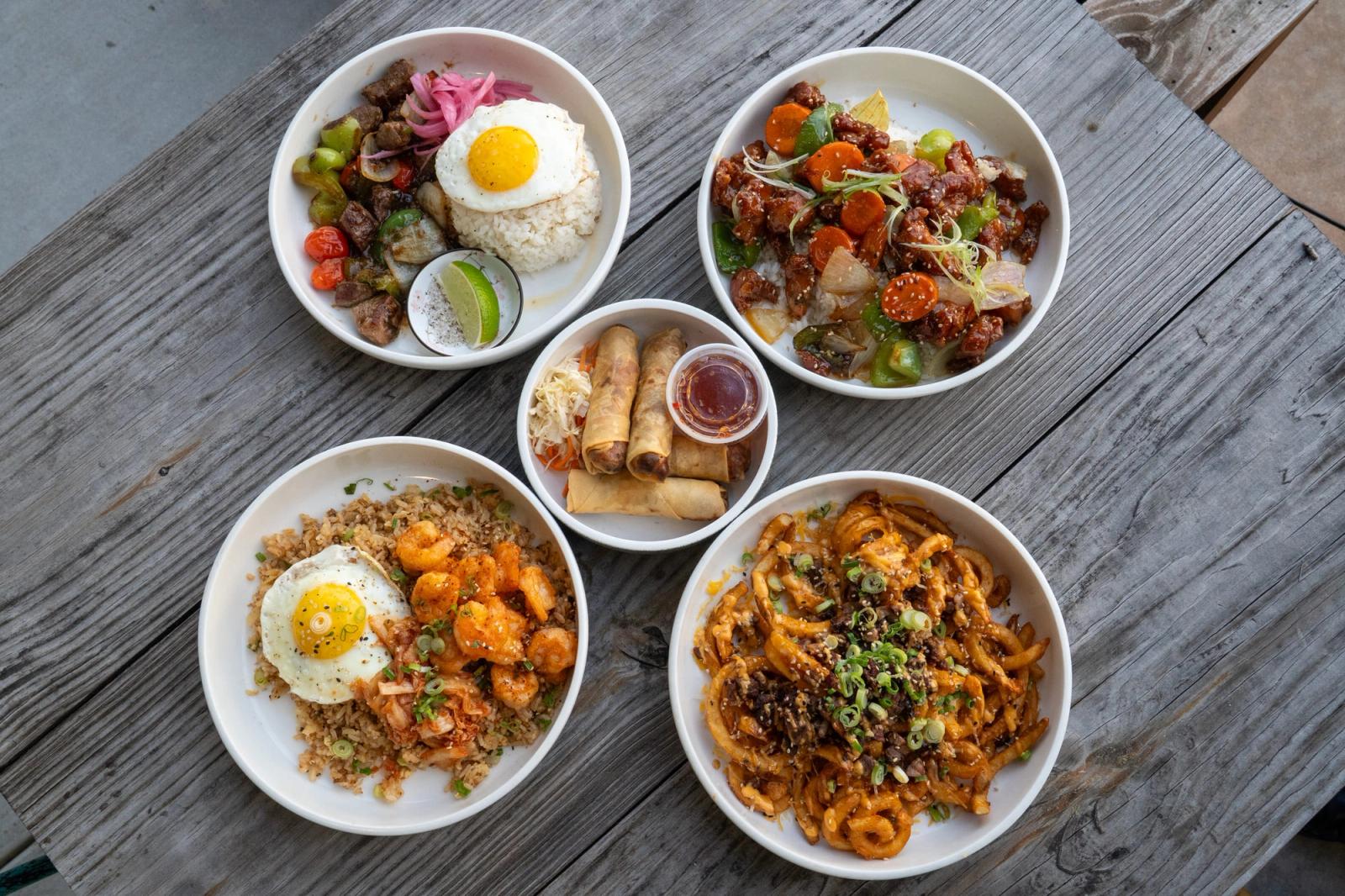
Content quality matters as much as volume. The same Toast study found that 84% of diners prefer to see photos of the food and drinks on a restaurant's social page. If an agency plans to fill your feed with stock images or graphics instead of your actual plates, that's a mismatch with what guests say they want.
For reference, our own social media management covers the calendar, the posting and the comments, built around footage we shoot at the restaurant. Whoever you hire, ask them to write down their monthly list for your place, with quantities, before you agree to a price.
How much does a restaurant marketing agency cost?
It depends on scope, and there's no solid industry survey of agency pricing, so treat any range you find as a rough guide rather than a rule. Searches for marketing agency cost for restaurants turn up very wide ranges because one agency's "social media package" can include far more or far less than another's.
The one published figure we'd point to comes from Restroworks, a restaurant software company, whose guide puts a full-service agency at $2,500 to $12,000 per month for a restaurant. The same Restroworks guide suggests an overall marketing budget of about 3% to 6% of sales, rising to 10% depending on your goals and competition. That's guidance from a vendor, not survey data, but it's a reasonable place to start your own math.
A better approach is to work backward. Take the share of sales you're comfortable putting into marketing, then decide how to split it between the agency's fee, ad spend that goes straight to the platforms, and any one-off costs like a photo shoot or website work.
What changes the price
- How much filming: regular on-site shoots cost more than reposting photos you send.
- How many platforms: Instagram alone is a smaller job than Instagram, TikTok, Facebook, Google and email together.
- Community management: answering comments and messages every day takes real hours.
- Ads: managing campaigns adds to the fee, and ad spend should be separate from it.
- Locations: each location usually means its own content and its own Google listing.
Pricing across food and beverage marketing agencies mostly comes down to these factors, so comparing line items is fairer than comparing totals. Ask for a quote with each one listed separately.
If ad spend is bundled into the fee, ask how much of the total actually reaches Meta or Google, and whose card the platform charges. Your ad budget should stay in your name and be paid straight to the platform.
What should I ask before hiring a marketing agency?
Ask questions that force specific answers about deliverables, who does the work, who owns what, and how success will be measured. Vague answers at this stage usually mean vague work later.
Here are the questions to ask a marketing agency before you sign:
- What exactly will you deliver each month, and how many of each thing?
- Who will film and post for us, and will they come to the restaurant?
- Can I see restaurant or bar accounts you run now, and talk to an owner you work with?
- Who answers comments, messages and reviews, and how quickly?
- Is ad spend separate from your fee, and is the ad account in my name?
- If we part ways, do I keep the accounts, photos, video and customer list?
- What will you report each month, and which number are we trying to move?
- How long is the contract, and how do I end it?
Good food and beverage marketing agencies will answer all eight without hesitating, and most will bring up a few of them before you ask.
Red flags to watch for
- They ask for your passwords, or offer to set up accounts in their own name.
- Ad spend runs through their account, and you can't see what the platform actually charged.
- They promise a follower count, a viral video, or a guaranteed sales number.
- They can't show current restaurant or bar work, or won't connect you with a client.
- Reports are full of reach and impressions, with nothing tied to visits, orders or sales.
- The contract is long, has no clear exit, or says you'd have to buy back your own photos.
None of these automatically rules an agency out, but each one deserves a direct question before you sign.
Who should own my social accounts, photos and customer list?
You should own all of it, and the agency should work inside accounts that belong to your business. Set this up before you sign, because it's much harder to untangle later.
Here's what to have in your name, with your own login, from the start:
- Social accounts: your Facebook page, Instagram and TikTok, created with a business email you control. You hold the top admin role, and the agency gets its own access that you can remove.
- Google Business Profile: you are the owner of the listing, and the agency is added as a manager. A listing owned by an agency or a former employee can be hard to get back.
- Website and domain: registered to your business, with the renewal on your card.
- Ad accounts: Meta and Google ad accounts in your name, billed to your card, with the agency added as a partner or user.
- Photos and video: the contract should say you own the final files, and they should live in a shared folder you control, not only on the agency's drive.
- Email and text list: kept in a platform account you own, which you can export whenever you like.
- Loyalty program: the members and their data belong to you.
Reputable food and beverage marketing agencies expect to work this way and will help you set it up.
The customer list deserves extra attention, because it's the one asset that keeps paying off after any agency relationship ends. The National Restaurant Association's 2024 technology report found that almost 6 in 10 operators surveyed planned to invest in loyalty or rewards systems to keep their best customers coming back. If you're starting a text list, our guide to SMS marketing for restaurants walks through opt-in and sending your first message.
Keep every login in a password manager or a single shared document that you control. When you add an agency, give them access through each platform's own user settings instead of handing over your password. That way you can remove them quickly if things don't work out.
A 90-day marketing plan for your restaurant
Fifteen pages covering what to post, what to spend, and what to track with a content calendar and ideas for you to post with.
Plan will be delivered via email with the PDF attached.
We only use your email to send the plan. Privacy policy
How long before I see results, and what should I measure?
Some changes show up right away, like a steady posting schedule, faster review replies and a cleaner Google listing, while sales and repeat visits take longer and should be judged over a season, not a single week. Agree on what you'll measure before the work starts, so you're not deciding afterward what counts as success.
Your social profiles act as a second storefront even before the sales numbers move. In Toast's 2024 diner study, which surveyed 850 guests who use social media at least once a week, 62% said they sometimes check a restaurant's social media before deciding to eat there. Toast's same research found that 82% of US restaurants use social media in their marketing, so guests are comparing your page with the places down the street.
Useful things to track each month:
- Sales on the nights you targeted: if the goal was a slower weeknight, look at that night.
- Direct online orders: orders through your own site, not just the delivery apps.
- List growth: new email and text subscribers, and how many redeem an offer.
- Loyalty sign-ups and repeat visits: if you run a program, this shows whether guests come back.
- Google profile actions: calls, direction requests and website clicks from your listing.
- Reviews: how many come in, and how quickly each one gets a reply.
- Engagement that signals intent: saves, shares, comments and messages asking about hours or reservations.
Follower counts and impressions are fine to watch, but they shouldn't be the headline of a monthly report. Ask the agency to pick one or two numbers with you up front, report on them every month, and tell you plainly when something isn't working and what they'll change.
It's also fair to ask food and beverage marketing agencies you're considering to show you a sample monthly report before you sign. You'll learn a lot about how they think from what they choose to put at the top.
What does this look like for a Houston restaurant?
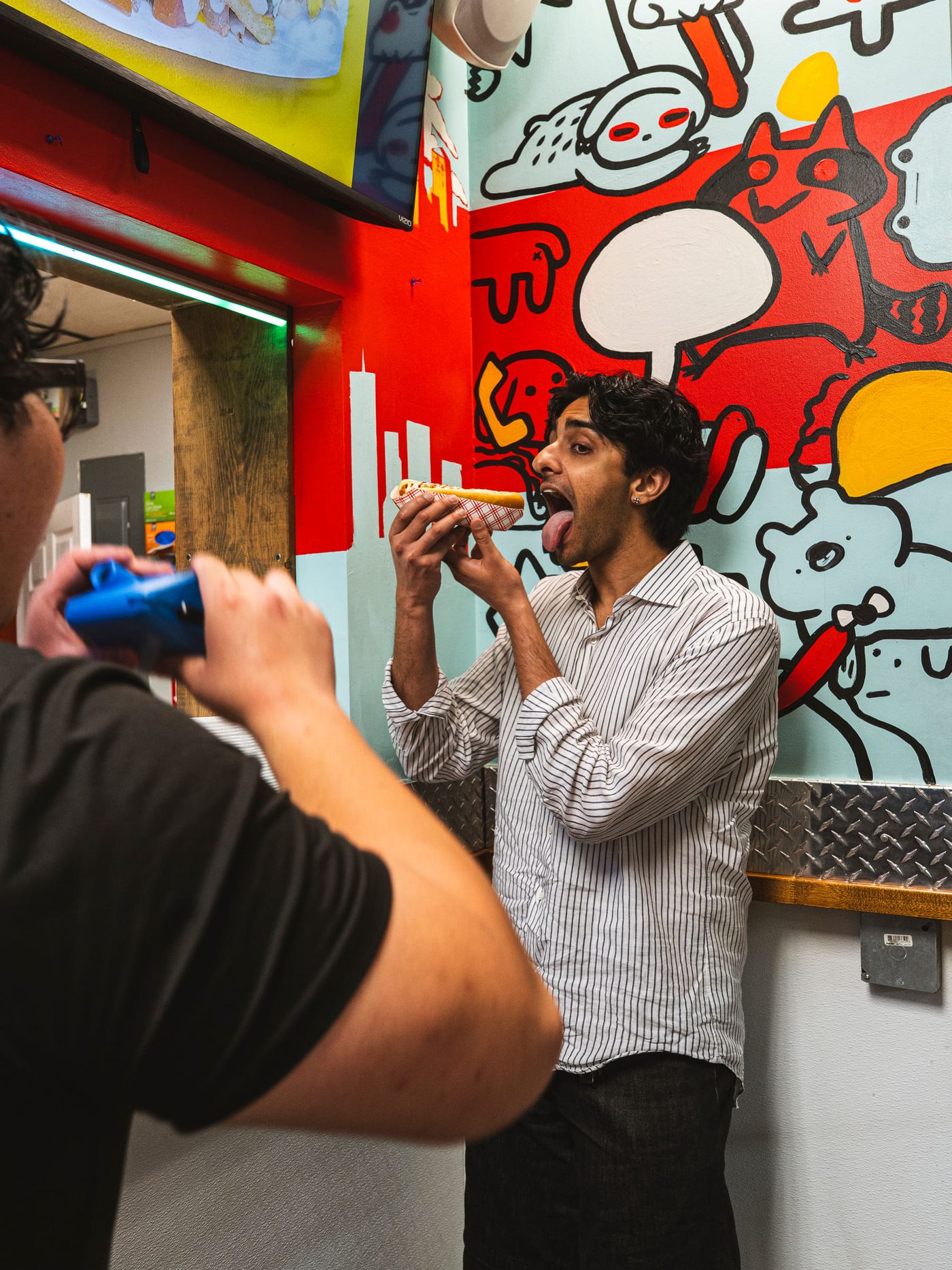
It looks like marketing measured in sales and guests, not likes. Yoyo's Hotdog spent a decade as the place you lined up for after a night out, and that reputation kept the lights on and stopped bringing new people in.

We rebuilt the brand, the content and the loyalty program around a menu that never changed. According to the Yoyo's Hotdog case study, the results were 229% sales growth in year one and 38,000 loyalty members from zero.
The second number is the one to notice from an ownership point of view. Those 38,000 Yoyo's loyalty members are a customer list that belongs to the business, and it keeps working no matter who runs the marketing.
That's the standard to hold any agency to, including us. Good food and beverage marketing should leave you with more than a nicer feed: it should leave you with assets you own and numbers you can check.
Want to see how we work before you sign anything?
Book a demo shoot and judge the work for yourself before choosing a restaurant marketing agency. We spend two hours filming at your restaurant, and three days later you get a reel, ten photos and a written plan.
You keep the content either way, whether or not you hire us. Book your demo shoot.