Short answer: The restaurant marketing promotions that fill slow nights are built for one specific night, priced so each extra guest still earns you money, and backed by a small local ad that reaches nearby people the same day. Pick your slowest night, add something guests value instead of cutting price deep, and count the covers against that same night in earlier weeks.
Most lists of restaurant promotion ideas give you twenty things to try and stop there. This guide pairs each promotion with the night it is meant to fix, walks through the margin math in plain words, and shows how a modest local ad budget gets the offer in front of people who live and work nearby.
It is written for independent restaurant and bar owners who want restaurant marketing promotions that pay for themselves, not ones that only look busy on social media. For the bigger picture beyond slow nights, see what you can do this week to grow restaurant sales.
What promotions bring people in on slow nights?
The promotions that work best on slow nights give people a specific reason to come on that specific night, and they are timed for the hours that are actually empty.
Toast's 2024 reservation trends report shows Monday and Tuesday are still the slowest reservation days for full-service restaurants. The same Toast report found same-store reservations for Monday and Tuesday were each up 11%, and Wednesday up 8%, in Q3 2024 compared with Q3 2023, so the early week is slow but far from a lost cause.
Toast's 2024 report also found guests booked more early-bird dinners and fewer reservations after 7 p.m. than a year earlier, and that 45% of reservations in Q3 2024 were made for the same day. For restaurant promotions, that means two things: the empty hours are often late in the evening, and many people decide where to eat that afternoon.
The slow night restaurant ideas below are matched to the night each one fixes, with a short note on margin for each.
Monday: a neighborhood or industry night
Monday suits a standing night aimed at people who already live or work near you. Some restaurant and bar workers may have Monday off, and a weekly industry night can give them a home base. Keep the offer simple, such as a short menu of shareable plates or a house drink, and run it every week so people learn it.
Margin note: the guests you are courting here probably were not coming on Monday anyway, so nearly every cover is new business. That makes a modest discount easier to justify than it would be on a busy night.
Tuesday: one featured dish or a bundle
Tuesday works well for a single featured dish, a family bundle, or a pairing of a dish and a drink at one price. A bundle lets you choose items with a healthy margin and price the set so it feels like value without discounting your best seller.
Say you run a Cajun seafood spot in Pearland and Tuesday is quiet. A family platter built from what you already prep, sold for dine-in or pickup, gives regulars a reason to choose Tuesday for a family dinner they were going to have somewhere.
Late evenings: shift the timing
Toast's 2024 reservation data shows more guests booking early and fewer booking after 7 p.m., so the late evening is often the gap to fix. A reverse happy hour, a late bar menu, or a dessert and drink pairing later in the night fills seats that would otherwise sit empty while the kitchen is still staffed.
Any slow night: something for people on your list
Your email and text list is the cheapest audience you have. A one-night offer sent to people who have already eaten with you, such as an off-menu dish from the chef or a first taste of a new item, costs almost nothing to deliver. If texting is new to you, our guide to setting up restaurant texts with proper opt-in walks through the rules before your first send.
Do discounts hurt a restaurant's margins?
Discounts hurt margins when they go to guests who would have paid full price anyway, and they help when they bring in covers you would not otherwise get.
The pressure to discount is real. The National Restaurant Association's 2025 State of the Restaurant Industry report found that 47% of operators plan to add new discounts, deals or value promotions to drive customer traffic.
Nation's Restaurant News, reporting on the same 2025 National Restaurant Association research, wrote that 95% of operators said their customers are more value-conscious than they used to be, and that 55% responded in 2024 by adding new discounts, deals or promotions.
Toast's 2025 Voice of the Restaurant Industry Survey points the same way. If consumer spending slowed, operators' top strategies would be to increase marketing (47%), offer deals (46%) and run discounts during a specific time (45%), well ahead of reducing hours (19%) or reducing staff headcount (17%).
Price is not the only lever, though. The National Restaurant Association's 2025 report found that 64% of full-service customers and 47% of limited-service customers say their dining experience matters more than the price of the meal. That leaves room for restaurant marketing promotions that add something to the visit instead of cutting the price.
How do I run the margin math on a promotion?
Start with one question: how many guests using this offer would have come anyway? Each of them costs you the full value of the discount. Then work through it per cover, in this order:
- Take the promotional price of the item or bundle.
- Subtract the food and drink cost for that plate.
- Subtract any extra labor the promotion adds, such as an extra server or a longer kitchen shift.
- Multiply what is left by the covers you gained compared with the same night in earlier weeks, not by every guest who used the offer.
- Subtract what you spent on ads and printing.
If the result is positive, the promotion paid for itself. If it lands near zero, it may still be worth running when it grows your list or brings in first-time guests, but you should know that going in.
Add-on offers can pass this test more easily than price cuts. A free side made from prep you already have, a dessert to share, or a bundle priced around your higher-margin items gives the guest a sense of value while your cost stays small.
How much should I spend advertising a restaurant promotion?
Spend a small, fixed test amount you are comfortable losing on each promotion, keep it inside your overall marketing budget, and judge it by the covers it adds rather than by clicks.
For the overall budget, Toast's guide to restaurant marketing budgets (the page shows no publish date) says the average restaurant spends 3 to 6% of its total revenue on marketing. That figure covers all of your marketing, not a single promotion, so treat it as the ceiling your promotions sit under.
We have not found a survey that sets a benchmark for spend on one promotion, so the honest answer is to start small and let your own numbers decide. Run the first week at a level you can absorb, compare the night against earlier weeks, and raise the budget only on offers that earned their keep.
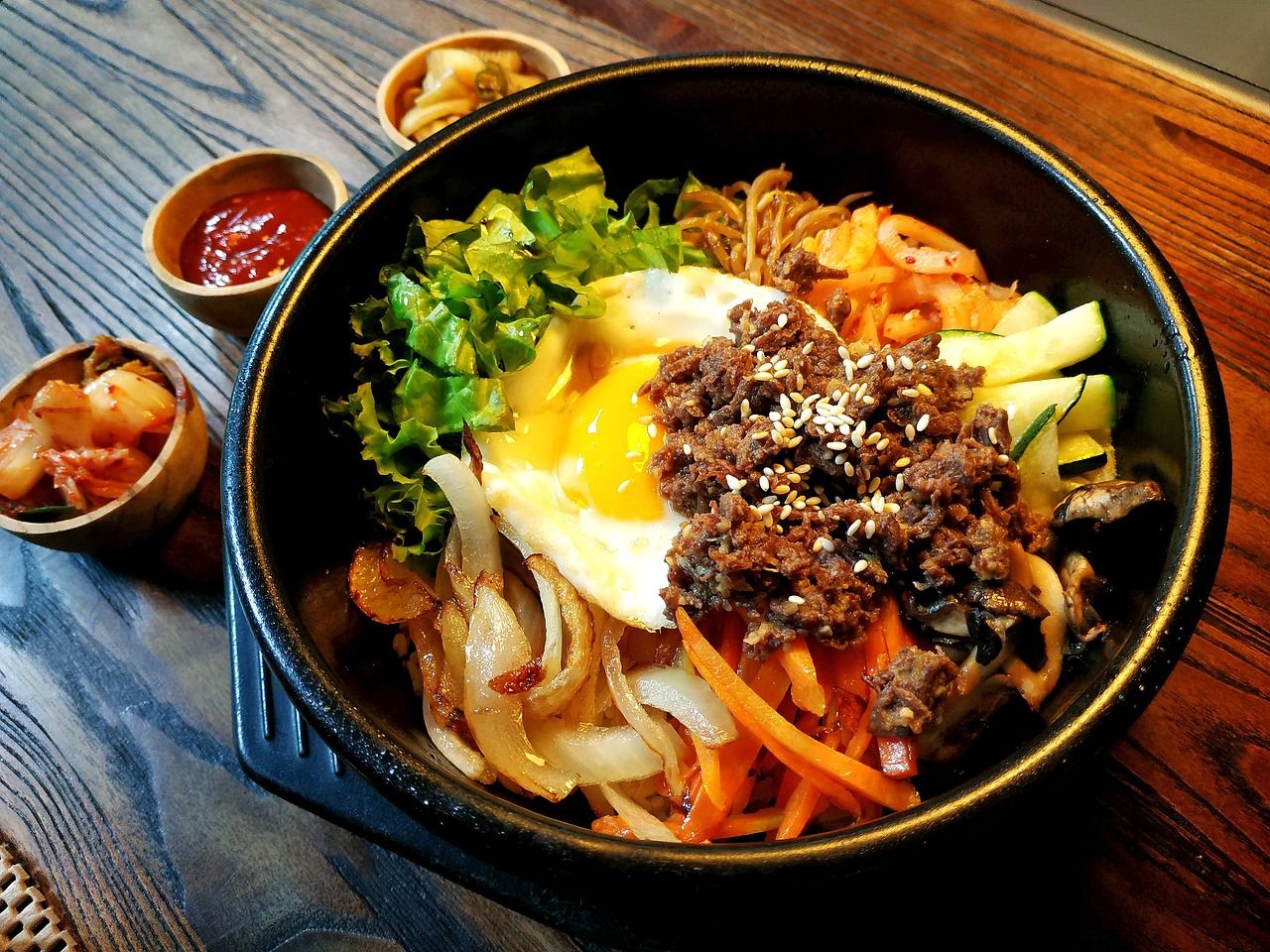
Ads are what turn restaurant marketing promotions from a sign by the register into something nearby people actually see. Local restaurant ads work best when they are narrow: people within a short drive, shown the offer on the day or the day before, with a photo of the real dish and the night spelled out. Our guide to geofencing and radius ads explains the ways to draw that area.
Timing matters as much as reach. Toast's 2024 reservation trends report found 45% of Q3 2024 reservations were made for the same day, so an ad running on Tuesday afternoon for Tuesday night reaches people while they are still deciding.
Use one clear message per ad. A line like Tuesday family tray, feeds the whole table, pickup or dine-in gives a hungry person everything they need. A general brand ad that runs every day of the week does not tell anyone to come on Tuesday.
Our restaurant ad campaigns are built around one outcome like this, and your ad budget stays in your name, paid straight to the platform.
How do I promote a holiday menu?
Promote a holiday menu early, with a clear order or reservation deadline, and aim much of your effort at groups and catering, because that is where holiday demand has been growing.
Toast's Q4 2024 Restaurant Trends Report found same-store catering transactions rose 26% in Q4 2024 compared with Q4 2023, while catering ticket size rose 9%. The same Toast report found about 37% of all catering orders in 2024 came in the last three months of the year.
That makes restaurant holiday promotions as much about office parties and family orders as about the dining room. A short catering page, a menu people can download, and a simple way to place a deposit make it easier for whoever is organizing the party to choose you. Our post on getting more catering orders in Houston covers what that page and the follow-up should include.
Thanksgiving
For Thanksgiving, the strongest offers take work off the host's plate: sides by the tray, a pie preorder, or a full meal for pickup. Announce it a few weeks ahead, set a firm order cutoff, and remind your list as the cutoff gets close. Local ads in the final days before the cutoff catch the late planners.
The days around the holiday may be quiet for your dining room, so a simple weeknight offer for people who want a break from cooking and leftovers can fill that gap.
New Year's Eve
New Year's Eve is the opposite problem: demand is high, so the promotion is about filling the room at the right price and avoiding no-shows. A set menu with fixed seating times, a prepaid ticket or deposit, and a later seating that runs to midnight let you plan staffing and food cost ahead of time.
Put the set menu, price and seating times in one post, one email and one ad, and keep the details identical in all three. Once the early seatings sell out, move your ad money toward the seating that is still open.
Then plan for the first week of January, which can be slow for many restaurants. A brunch on New Year's Day or a January neighborhood night gives December's first-time guests a reason to come back.
A 90-day marketing plan for your restaurant
Fifteen pages covering what to post, what to spend, and what to track with a content calendar and ideas for you to post with.
Plan will be delivered via email with the PDF attached.
We only use your email to send the plan. Privacy policy
How do I tell if a promotion worked?
A promotion worked if the night it targeted gained covers and profit compared with the same night in earlier weeks, after you subtract the discount and the ad spend.
We have not found a trade survey with reliable redemption benchmarks for restaurants, so tracking restaurant marketing promotions means comparing yourself with yourself. Before you launch, pull covers, sales and average check for that night over the past several weeks from your POS. That is your baseline.
Give each promotion its own tag: a POS button, a code word, a link used only in the ad, or a printed card. That way you can see how many guests used it and separate them from regulars who would have come anyway.
Watch three things over a few weeks: total covers on the target night, average check against your baseline, and how many promo guests come back on a different night. A promotion that brings first-timers who return is doing more than its first-night profit shows.
Repeat visits are where loyalty programs come in. In Square's Future of Commerce report (the page shows no date), 71% of restaurant leaders said they plan to increase investment in loyalty or rewards programs over the next 12 months, 83% said their program drives up order or basket size, and 82% said it drives repeat visits. Those are operators rating their own programs, not measured results, but they show where many owners are putting their effort.
Should a promotion feed into a loyalty program?
Yes, the most useful promotions collect a way to reach the guest again, so each slow-night offer grows a list you can use for the next one.
Yoyo's Hotdog in Houston is the clearest example we can share. Yoyo's spent over a decade as the place people lined up for after a night out, and that reputation kept the lights on but stopped bringing new people in. We rebuilt the brand, the content and the loyalty program around a menu that never changed, and Yoyo's saw 229% sales growth in year one and 38,000 loyalty members from zero.
You can read how Yoyo's turned fifteen years of nostalgia into regulars in the full write-up.
The lesson for any slow-night offer is that it should rarely be the whole plan. Ask for an email or phone number when guests redeem, follow up with a reason to return, and your next slow Tuesday starts with an audience that already knows you. Our guide to loyalty programs for small restaurants compares the ways to set that up.
Want help getting your promotion seen?
If you would like a hand with restaurant marketing promotions, start with a demo shoot. We spend two hours filming at your restaurant, and three days later you get a reel, ten photos and a written plan for filling your slowest night. You keep the content either way.
Book your demo shoot and tell us which night you want to fill first.