Short answer: Restaurant video production cost in Houston comes down to how long the crew is on site, how many finished videos you get, how much editing each one needs, and who owns the footage afterward. A reel you shoot on your own phone costs the least, a crewed brand film costs the most, and a monthly reel package spreads a steady flow of short videos across the year.
You will notice this post does not print a dollar range. The ranges that show up in search come from production companies' own pages, many written for other cities, and none of them come from a survey of what Houston restaurants actually pay. So instead of a number that might not fit your place, here is how each kind of job is priced, what moves the price, and what to get in writing so you can compare quotes fairly.
How much does it cost to hire someone to film my restaurant?
It costs whatever the crew's hours, the editing time and the finished videos add up to, so the quickest way to get a real number is to describe the job clearly and ask two or three Houston videographers to quote the same scope. When the scope matches, the quotes become comparable. When it doesn't, you end up comparing a single edited clip against a full day of filming and wondering why one is so much higher.
Most quotes are built from three parts: time on site, time in the edit, and extras such as music, captions, graphics or travel. Some videographers price by the hour, some by the half day or full day, some by the finished video and some by the finished minute. None of these is wrong, but they are hard to compare until you turn each one into the same question: what do I get, and when?
This matters because marketing spend is already a sore spot for most owners. In Toast's 2025 Voice of the Restaurant Industry Survey of 712 U.S. restaurant decision-makers running 16 or fewer locations, 16% ranked marketing as a top business pain point, tied with sourcing and hiring and behind only inflation at 20%. A clear quote is the easiest way to keep video from adding to that list.
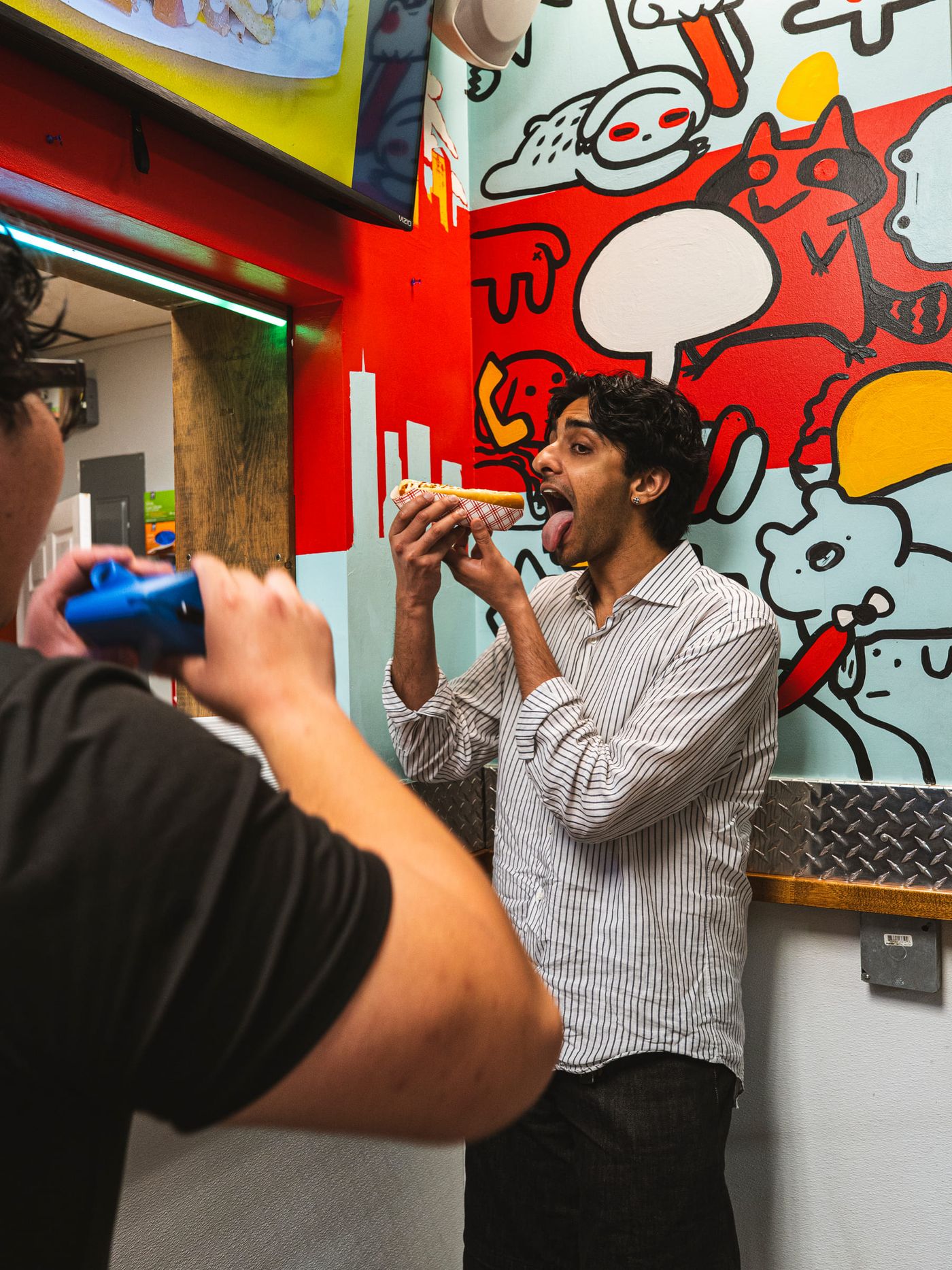
Before you call anyone, write down three things: what the video is for (a new dish, a hiring push, a slow night), where it will run (Instagram, TikTok, your website, a paid ad), and how many pieces you want out of the day. When you hire a videographer for your restaurant with that page in hand, you get quotes you can actually line up side by side.
What kinds of video shoots do restaurants usually buy?
Most independent restaurants and bars buy one of three things: a half-day shoot during service, a monthly reel package, or a single video for a menu launch. Each is priced differently, and knowing which one you need cuts most of the confusion out of shopping around.
A half-day shoot during service
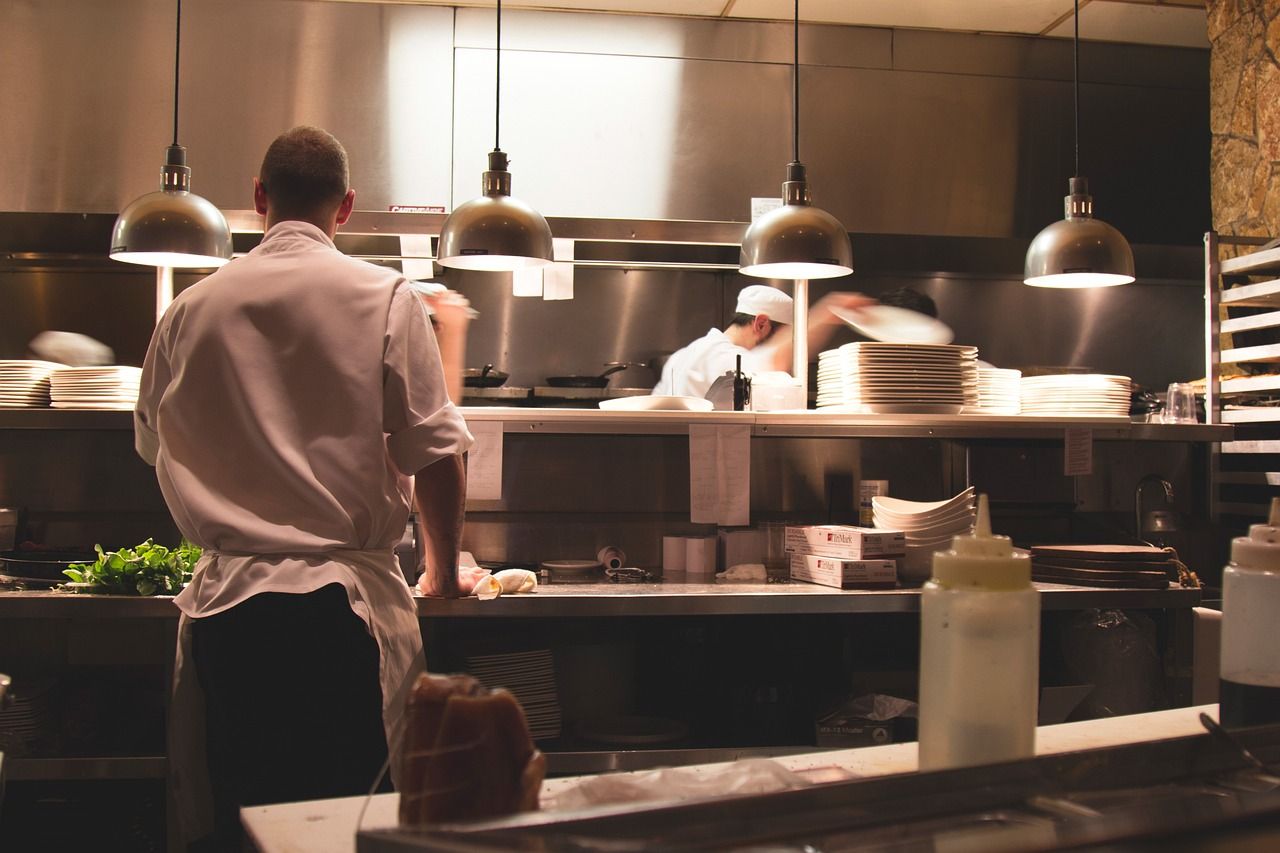
A half-day shoot puts a videographer in your room while the kitchen is working and guests are eating. You pay mostly for crew time on site, then for the editing that turns raw footage into finished clips. The advantage is realism: real tickets, real plates, a full room. The cost goes up if the crew needs to stay out of the way of servers, film around low light, or come back because the night was slower than planned.
A monthly reel package
A monthly package is a recurring fee for a set number of short videos each month, usually filmed in one or two visits and edited for social. You trade a bigger one-time invoice for a smaller ongoing one, and you get a steady supply of posts instead of a burst. Social video package pricing is usually set by how many finished reels you get, how often the crew visits, and whether captions, posting or comment replies are bundled in.
A menu launch video
A menu launch video is a single, more polished piece built around one moment: a new dish, a seasonal menu or a reopening. It often needs more planning than a service shoot, since the food has to be ready on cue, the owner or chef may be on camera, and the edit is held to a higher finish. Expect the quote to reflect prep time, a tighter shot list and extra edit rounds.
What is the difference in price between a one-time promo video and monthly social video?
A one-time promo video is one larger invoice for one polished piece, while monthly social video is a smaller recurring fee for many short clips that are each simpler to make. Per video, monthly work usually comes out cheaper. Over a year, it is a bigger commitment. The right choice depends on whether you need one great piece or a steady presence.
A restaurant promo video price reflects everything that goes into making one video hold up for a long time: planning, a longer shoot, careful editing and often licensed music. That makes sense for a video that will sit on your website, run as an ad, or introduce a new concept. It makes less sense if what you really need is something fresh to post every week.
Short, frequent video also matches how people watch. Sprout Social's 2026 Content Strategy Report found that 48% of social users are most likely to interact with short-form video, meaning clips under 60 seconds, on Facebook. A monthly package is built to produce exactly that kind of clip, in volume.
Take a family-run Cajun seafood spot in Alief deciding between the two. If crawfish season is the reason people come, a monthly package that films boils, regulars and the line out the door through the season gives them something to post every week. If they are opening a second room for private events, one polished video that shows the space to party planners will do more than a dozen quick reels.
Some owners split the difference: one bigger shoot a year for the evergreen piece, then lighter monthly filming for social. If a videographer offers both, ask whether footage from the big shoot can be cut into short clips too. That reuse is often where the savings are.
What drives restaurant video production cost up or down?
The biggest drivers of restaurant video production cost are crew size, hours on site, how many finished pieces you need, and how much editing each one takes. Almost every line on a quote traces back to one of those four.
Things that push the price up:
- More crew. A second camera operator, a lighting person or a producer adds hourly cost.
- Longer or awkward shoot times. Filming during a packed dinner rush or late at night takes longer than filming during prep.
- More locations. Moving between your kitchen, patio, a farm or a second location adds setup time.
- More deliverables. Each extra finished video, and each extra format (vertical for reels, horizontal for your website), adds edit time.
- Extra edit rounds. Every revision past what the quote includes is usually billed.
- Licensed music, graphics and on-screen text. These add cost and time in the edit.
- Raw files and broad usage rights. Owning all the footage, or running it in paid ads, may be priced separately.
Things that bring the price down:
- A shot list sent ahead of time. The crew spends less time figuring out what to film.
- Batching. Filming several dishes or several weeks of content in one visit uses one setup instead of many.
- Food that is ready on cue. Waiting on plates is billable time.
- Shared photo and video days. If you need menu photos too, booking both in one visit saves a second trip.
If you are comparing the video production cost in Houston against prices you have seen for other cities, keep in mind that those pages describe different markets and different scopes. Your own quotes, built from your own scope, are the only numbers that matter for your decision.
What should a video quote include before I sign it?
A good quote is a written scope that lists exactly what you get, when you get it, how many changes you can ask for, and what you are allowed to do with the footage. If any of those is missing, ask for it before you pay a deposit.
Here is what to look for:
- Deliverables. How many finished videos, how long each one is, and in which formats.
- Shoot details. Date, start and end time, how many crew members, and which areas of the restaurant will be filmed.
- Edit rounds. How many rounds of changes are included and what an extra round costs.
- Music. Whether music is licensed for the places you plan to post it, including paid ads, or whether you are expected to add it yourself.
- Raw files. Whether you receive the unedited footage, and if so, in what form and for how long it is stored.
- Usage rights. Whether you can use the video anywhere, including ads and delivery apps, and whether the videographer can use it in their own portfolio.
- Turnaround. When you will see a first cut and when the final files arrive.
We could not find a published survey that puts a price on music licensing or raw footage for restaurant video, which is one more reason to ask for these items to be listed separately on the quote. When they are itemized, you can decide which ones you actually need instead of paying for a bundle.
A 90-day marketing plan for your restaurant
Fifteen pages covering what to post, what to spend, and what to track with a content calendar and ideas for you to post with.
Plan will be delivered via email with the PDF attached.
We only use your email to send the plan. Privacy policy
When should I film it myself instead of hiring?
Film it yourself when the video's job is to show what is happening today: a special, a fresh batch, a busy patio, a staff member's birthday. A phone, a clean lens and good window light are enough for that kind of post, and the speed matters more than polish.
Diners mostly want to see the food. In Toast's 2024 study of diner habits, 84% of respondents said they prefer to see photos of food and drinks served on a restaurant's social media page. A close, well-lit shot of a dish coming off the pass does that job whether it was filmed on a phone or a cinema camera.
Hire someone when one of these is true:
- The video will run for months, on your website or as an ad, and needs to hold up.
- You want the owner or chef on camera, which is hard to do well while also running the camera.
- Nobody on your team has the time to film, edit and post consistently.
- You have tried filming yourself and the clips are not getting watched.
Many restaurants do both: staff film quick daily clips, and a professional comes in for the pieces that need more care. If you want a list of things worth filming on your own phone, our post on video ideas that come straight from your normal shifts covers that.
Is paying for restaurant video worth the cost?
Video is worth paying for when it reaches people who are deciding where to eat, and diner research says many of them look at social media first. In Toast's 2024 diner study, 62% of respondents said they sometimes check a restaurant's social media before deciding to dine there, and 42% said they prefer social media to search engines such as Google and Yelp when trying to discover new restaurants.
Marketers who use social video tend to report a payoff too. Sprout Social's 2026 Content Strategy Report says 82% of marketers say social media video marketing gives them a positive return on investment. That figure covers marketers in general, not restaurants alone, so treat it as a sign that video is worth testing rather than a promise.
Here in Houston, Yoyo's Hotdog spent over a decade as the place people lined up for after a night out. That reputation kept the lights on but stopped bringing new people in. We rebuilt the brand, the content and the loyalty program around a menu that never changed, and the results in the Yoyo's Hotdog case study are 229% sales growth in year one and 38,000 loyalty members from zero. Video was one part of that work, alongside the brand and the loyalty program, not the whole of it.
Whatever you spend, judge restaurant video production cost against what the videos are meant to do: fill a slow night, launch a dish, or keep regulars coming back. If you are weighing a full marketing team rather than a single videographer, our checklist for choosing a food and beverage agency walks through the questions to ask. You can also see how we approach video for Houston restaurants and bars.
How can I see what a shoot would get me before I pay for one?
Book a demo shoot. We spend two hours filming at your restaurant, or at the truck if you run a food truck. Three days later you get a reel, ten photos and a written plan for what to film next, and you keep the content either way.
It is the simplest way to see how a professional shoot fits your room, your crew and your schedule before you commit to anything. Book your demo shoot here.