Short answer: The restaurant emails that bring guests back are three automations: a welcome email the moment someone joins, a birthday email ahead of their big day, and a lapsed guest email when a regular goes quiet. Set them up once, write them in your own voice, and they keep working on the nights when nobody has time to think about marketing.
Most advice on email marketing for restaurants stops once the signup sheet is full. That is the easy half. The harder half is what happens after someone hands over their email address, and that is where most of your return visits are waiting.
This guide covers the three restaurant emails worth setting up first, with copy you can adapt, when to send each one, and how often to email the rest of the time. Texting gets a short section near the end and a link to our full SMS guide, so we don't repeat it here.
What emails should a restaurant send after someone joins the list?
A restaurant should send three automated emails before it worries about anything else: a welcome email, a birthday email, and a win-back email for guests who have gone quiet. Each one goes out on its own, triggered by something the guest did, instead of whenever someone on staff remembers.
The reason to focus on the early weeks is that most guests never come back for a second visit. In Bloom Intelligence's 2026 retention data, 77.4% of guests with tracked visits came in exactly once. The same Bloom data found that guests who made it to a second visit averaged 6.93 total visits.
So the job of your first emails is narrow: get a new guest from visit one to visit two. Once they make that second trip, the habit has a much better chance of sticking.
Regulars matter more than their headcount suggests. Toast and Resy's Regulars Report found that up to 50% of restaurant order volume can come from just 7% of guests. Every person you move from one-time visitor to regular is worth far more than a single ticket.
Here is the short version of the three automations:
- Welcome email: sent right after someone joins, with a reason to come back soon.
- Birthday email: sent ahead of their birthday, with a treat they can plan around.
- Win-back email: sent when a regular has gone longer than usual without a visit.
Do automated emails work better than email blasts?
Yes, automated emails tied to a guest's behavior bring people back far more often than a blast sent to the whole list. Bloom Intelligence's 2026 benchmarks found that blast campaigns averaged a 19.5% open rate, a 0.7% click rate, and a 0.27% return-visit rate.
Compare that with a new-guest welcome email, which returned 7.2% of recipients in the same Bloom Intelligence data. Bloom also found that an at-risk win-back email returned 6.5%, a visit-milestone email returned 19.8%, and a post-visit thank-you returned 29.9%.
Even so, most restaurant emails still go out as blasts. Bloom Intelligence reports that restaurants send 99.7% of their email that way. That is not a knock on the weekly newsletter, which still has a job to do. It just means the emails doing the most work are often the ones nobody has set up yet.
These automations add up over time. ChowNow's platform data shows restaurants with a 1,000-diner email list generating approximately $10K in annual attributed revenue from automated email campaigns alone. That figure comes from a company that sells email tools, so treat it as a sign of what is possible rather than a promise.
What goes in a restaurant welcome email?
A restaurant welcome email needs three things: a genuine thank-you, a clear reason to come back soon, and the basics a new guest might not know yet. Send it right away, while they still remember signing up at the counter or in your ordering flow.
Keep it short. A new subscriber doesn't need your whole story in the first email. They need to feel welcome and have an easy next step.
What to include:
- A short thank-you in your own voice, signed by a real person if you can.
- One offer or reason to return, with a clear way to use it.
- Your hours, address, and a link to order or reserve.
- One photo of the dish people come back for.
- A note on what kind of emails they will get and how often.
Should you give a discount? A small thank-you offer gives people a reason to act, and that is the whole point of a welcome email. You don't have to discount the entire check, though. A free item, like a dessert, a side, or a drink with an entrée, often feels more generous to the guest and is easier on your margins. Give the offer an expiration date so it nudges a visit soon rather than someday, and send a short reminder as that date gets close if it hasn't been used.
Welcome email template
Subject: Thanks for joining us, [First Name]. Your next [signature item] is on us.
Hi [First Name],
Thanks for signing up. We're glad you found us.
Next time you come in, show this email or use code [CODE] online, and your [signature item] is on the house. It's good through [date].
We're open [hours] at [address]. You can order online or book a table anytime at [your website].
We'll email you about new dishes, events, and the occasional treat. We'll never send more than we'd want to get ourselves.
See you soon,
[Owner or chef name], [Restaurant Name]
How do I set up a birthday email for my restaurant?
Ask for a birth month and day at signup, then set your email platform to send a birthday offer ahead of the date so guests have time to make plans. Birthdays are one of the few times people actively look for somewhere to go, and a well-timed email puts you on the shortlist.
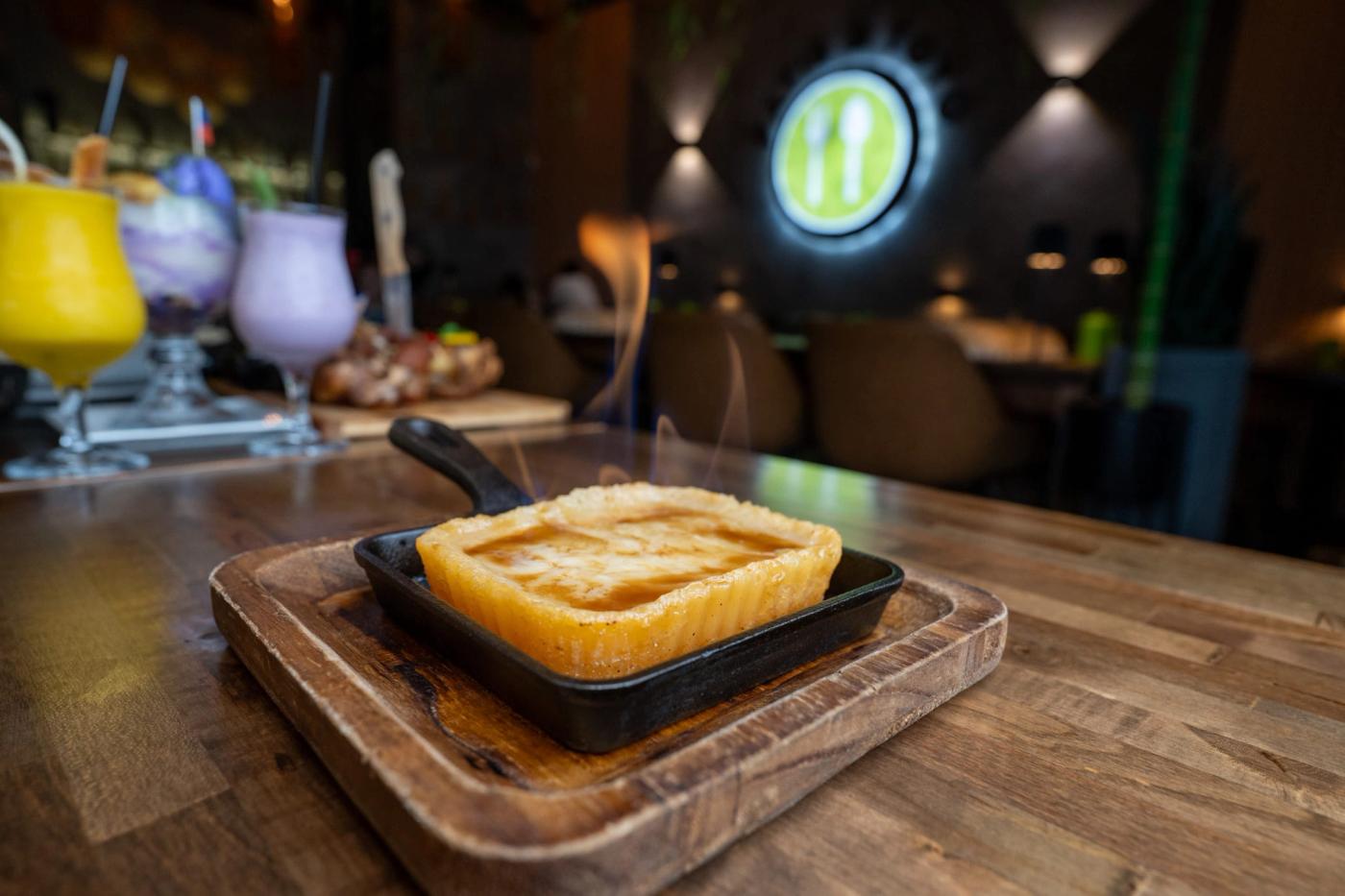
Timing matters more than the size of the offer. An email that lands on the birthday itself is often too late, because the dinner plans are already made. Sending it early in the birthday month, or the week before the date, gives the guest time to choose you and invite friends.
Make the offer generous enough to feel like a gift, and give it a window instead of a single day. Plenty of people celebrate on the weekend after their birthday rather than the day of it.
Bloom's numbers don't break out birthday emails on their own, but they do show that emails tied to a personal moment beat blasts. According to Bloom Intelligence's 2026 data, a visit-milestone email returned 19.8% of recipients, compared with 0.27% for blasts. A birthday is the most personal milestone you can mark.
Birthday email template
Subject: Happy birthday, [First Name]. Dessert is on us this month.
Hi [First Name],
Your birthday is coming up, and we'd love to help you celebrate.
Come in anytime this month and your [dessert or drink] is on us. Bring the whole crew, and book ahead so we can save you a good table.
Just show this email or use code [CODE] when you order.
Cheers,
The team at [Restaurant Name]
How do I win back guests who stopped coming?
Send a win-back email when someone who used to come in regularly goes longer than usual without a visit, and make it personal, short, and easy to act on. The goal is to sound like the host who noticed they were missing, not like a marketing department.
What counts as longer than usual depends on your guests. A weekly lunch regular who hasn't been in for several weeks is a clear signal. A couple who only comes in for anniversaries is not lapsed after a quiet spring. If your POS or ordering platform tracks visit history, set the trigger around each guest's own pattern. If it doesn't, start with a single cutoff that fits your typical regular and adjust as you learn.
Of all the restaurant emails you can automate, this one can feel the most awkward to write, so keep it simple. Say you miss them, mention something new, and give them a reason to come back soon.
The results are worth the awkwardness. In Bloom Intelligence's 2026 data, an at-risk win-back email returned 6.5% of recipients, far above the 0.27% that blasts returned in the same data.
Picture a neighborhood bakery in Montrose where the same faces show up for kolaches every Saturday. When one of them disappears for a while, the owner probably notices but rarely has time to do anything about it. A win-back email is that same "we missed you," sent automatically at the right moment, without anyone having to remember.
If a guest doesn't respond, send a single gentle follow-up, then move them back to your regular newsletter. Chasing people harder than that tends to earn unsubscribes, not visits.
Lapsed guest email template
Subject: We've missed you, [First Name]
Hi [First Name],
It's been a while since we've seen you, and the kitchen noticed.
Since your last visit, we've added [new dish or seasonal special], and we think you'd like it.
Your next [item] is on us when you come in by [date]. Show this email or use code [CODE].
Hope to see you soon,
[Owner or chef name]
A 90-day marketing plan for your restaurant
Fifteen pages covering what to post, what to spend, and what to track with a content calendar and ideas for you to post with.
Plan will be delivered via email with the PDF attached.
We only use your email to send the plan. Privacy policy
How often should a restaurant email its list?
For one-time campaigns like specials, events, and menu news, ChowNow's guidance is that most independent restaurants see strong engagement at 2 to 4 sends per month. That is the company's recommendation rather than survey data, but it lines up with what most owners can realistically write and send. Our month-by-month newsletter calendar for Houston restaurants shows what those sends can cover.
Automations sit on top of that schedule. A welcome or birthday email goes to one guest at the moment it's relevant, so it reads as attention rather than noise.
A few habits keep unsubscribes low:
- Give every send one clear reason to exist: a new dish, an event, or a slow night you want to fill.
- Lead with the food. A good photo does more than a long paragraph.
- Use the same sender name every time, ideally a real person.
- Skip a week rather than send something with nothing to say.
- Tell people at signup what they will get, then stick to it.
Should I use email or text for promotions?
Use email for anything that benefits from a photo, a story, or a menu, and save texts for short, time-sensitive offers people need to see today. Most restaurants do best with both, each used for a different job.
Email is the better fit for welcome emails, birthday offers, menu launches, and event announcements. Text works for messages like "the patio is open tonight" or a same-day special, where speed matters more than detail.
Texting has wide reach. Attentive's March 2023 State of Conversational Commerce report, a global survey of 8,000 consumers, found that 91% had already opted into at least one brand's SMS program or were interested in doing so. Attentive sells SMS marketing and the survey is a few years old, so weigh it with that in mind.
Texting also comes with registration rules and stricter consent requirements than email. We cover those, plus how to write your first message, in our guide to SMS marketing for restaurants.
How do I set up restaurant email automation?
Start with the platform you already use. Many POS, online ordering, and reservation systems include restaurant email automation, and they already know who visited and when, which is exactly what these triggers need.
Set up these restaurant emails in order of how often they fire:
- Make sure your signup form asks for first name, email, and birthday. Month and day are enough.
- Turn on the welcome email first, since it goes to every new guest.
- Add the birthday email next.
- Set up the win-back email once you have visit history to work from.
- Check results monthly and rewrite whichever email is pulling the least.
How does email fit into restaurant customer retention?
Email is one part of restaurant customer retention, and it works best alongside a loyalty program and a steady supply of good content. Toast reports that moving a guest into a loyalty program can shift their return rate from a 7% baseline to nearly 30%, and email is how that program stays in front of people between visits.
Yoyo's Hotdog in Houston shows what those pieces can do together. Yoyo's spent over a decade as the place you lined up for after a night out, and that reputation kept the lights on but stopped bringing new people in. We rebuilt the brand, the content, and the loyalty program around a menu that never changed. According to our Yoyo's Hotdog case study, the result was 229% sales growth in year one and 38,000 loyalty members from zero. You can read the full story in the Yoyo's Hotdog case study.
If you would rather not build this yourself, our email and SMS marketing team can handle it. We build the list at the counter and in your ordering flow, then use it to fill the nights that need filling.
Want great photos and a plan for your first emails?
Every one of these restaurant emails works better with a photo of your food that makes people hungry. Our demo shoot gives you that: we spend two hours filming at your restaurant, and three days later you get a reel, ten photos, and a written plan. You keep the content either way. Book your demo shoot and we'll help you get your welcome email out the door.