Short answer: Boosting a post isn't a waste of money, but it is the blunt version of a Facebook ad: it buys more eyes on a post, not necessarily more people at your tables. For most goals that matter to a restaurant, such as lunch traffic, online orders or a slow weeknight, an ad built in Ads Manager does more with the same budget, because you choose the outcome, the area, the ages and the hours it runs.
This guide covers the boost post vs Ads Manager question that comes up on every restaurant owner forum. Then it walks through how we set up Facebook ads for restaurants in Houston: a tight area around the door, the right ages, the right hours, and creative pulled from photos and reels you already have.
Is boosting a Facebook post worth it for a restaurant?
Boosting a post is worth it when you only want a post that's already working to reach more people nearby, and it's usually the wrong tool when you want orders, calls or visits. The Boost button takes something from your page and pays to show it to more people, and it tends to chase likes, comments and shares. Those numbers look good on the post, but they don't always turn into covers.
Facebook itself is worth paying attention to. In Toast's 2024 survey of 850 guests who use social media at least once a week, 59% said they use Facebook more than any other platform to discover new restaurants.
Paying for reach is also normal in the industry. According to Toast data published in November 2024, 67% of restaurants pay for ads on social media, so a boost or a paid campaign puts you alongside most of your peers.
Most Facebook ads for restaurants start as a boost, and that's fine in a few situations:
- A post about a weekend special is already getting comments and you want more neighbors to see it before Friday.
- You're announcing an event, a holiday menu or new hours, and awareness is the whole goal.
- You have a small amount to spend and no time to open another tool this week.
A boost is a weaker fit when you want people to tap Order, Call or Get Directions, when you only want the ad running around lunch, or when you want to test which photo sells a dish. Those jobs belong in Ads Manager.
What is the difference between boosting a post and running an ad in Ads Manager?
Boosting is a shortcut on your page with a handful of settings, while Ads Manager is Meta's full campaign tool, where you set the goal, audience, placements, schedule and creative separately. Both spend money on the same platforms. The difference is how much of the decision you get to make.
Here is how the two compare for a restaurant:
- Goal. A boost gives you a short menu of goals. Ads Manager lets you choose the campaign objective, so you can aim for clicks to your ordering page, messages or calls instead of post engagement.
- Creative. A boost promotes a post exactly as it appears on your feed. In Ads Manager you can run an ad that never appears on your page and test versions against each other.
- Location. Both let you choose an area. Ads Manager makes it easier to combine places, exclude areas and save an audience to reuse.
- Schedule. Ads Manager can run an ad only on chosen days and hours.
- Reporting. Ads Manager breaks results down by age, placement and time, so you can see who actually responded.
If you've never opened Ads Manager, start by boosting a post you'd happily pay to show more people, then rebuild the same idea in Ads Manager the next week and compare. Seeing both reports for the same food is usually what settles the question.
How do I target people near my restaurant on Facebook and Instagram?
To target people near your restaurant, set the location to a radius around your address or to the ZIP codes your guests come from, then narrow by age and run the ad during the hours that matter. This is the core of Meta ads local targeting, and it works the same for Facebook and Instagram because both run from the same Ads Manager campaign.
When you set the location, check the option for who counts as being in that area. For a restaurant, you usually want people who live there or have recently been there, which includes office workers and people passing through, not only residents.
How big should a restaurant ad radius be?
The right restaurant ad radius is the distance a guest will actually travel to eat with you. For U.S. addresses, Meta's Business Help Center allows radius targeting from a 1 mile minimum to a 50 mile maximum, with 1 mile as the default, according to a Coinis guide that quotes it. A lunch counter surrounded by offices can stay close to the door, while a destination dinner spot can reach further, because people plan that drive.
In Houston, drive time matters more than distance. A circle on the map ignores freeways, tollways and the fact that few people cross town for a weekday lunch, so start smaller than you think and widen only if the ad runs out of people to reach. To reach people who have been at one specific place, such as an office park or a stadium, see our guide to how geofencing works for a restaurant.
When are ZIP codes better than a radius?
ZIP codes are better when your guests come from specific neighborhoods rather than evenly from every direction. Picture a crawfish restaurant in Alief: a circle around it takes in areas on the far side of the tollway where few of its guests live, while the ZIP codes its regulars come from make a cleaner map. If you take online orders or run a loyalty program, the delivery and signup addresses will show you which ZIP codes those are.
Which ages should a restaurant target?
Target the ages that already fill your dining room, and use survey data to decide which platform carries the ad. In Toast's 2024 survey of 850 weekly social media users, 62% of guests aged 35 to 44 and 70% of guests aged 45 to 54 said they use Facebook to discover new restaurants. If your crowd skews older, Facebook should carry most of the budget. If it skews younger, give Instagram placements more room.
Keep the age range broad enough for the ad to find people. Meta may suggest widening the audience automatically, which can help, but keep location as a firm limit so the ad stays in your area.
Can I run restaurant ads only at certain times of day?
Yes, Ads Manager can run an ad only during the hours you choose, a setting called ad scheduling that needs a lifetime budget rather than a daily one. A lunch ad can run through the late morning and the lunch rush. A happy hour ad can start in the afternoon and stop when the deal ends, so you aren't paying to show a drink special at midnight.
Should a restaurant run Instagram ads too, or only Facebook?
Most restaurants should run Instagram ads alongside Facebook in the same campaign, then let the results show where the money should go. Instagram ads for restaurants use the same setup in Ads Manager: one ad can appear in the Facebook feed, the Instagram feed, Stories and Reels, and the placement report shows which one brought clicks.
Facebook tends to carry more discovery. In a later Toast survey reported by PMQ Pizza Magazine, word of mouth was the top way guests found new restaurants at 38%, with Facebook at 27% and Instagram at 15%. Social channels also compete with search: in Toast's 2024 survey of 850 weekly social media users, 42% said they'd rather use social media than search engines like Google or Yelp to find a new restaurant.
That doesn't make Instagram the weaker choice for every place. A cocktail bar or a dessert shop with strong vertical video may find Reels outperforms the Facebook feed. Run both, check the placement breakdown after the first full week, and move budget toward what's working.
How much should a small restaurant spend on Meta ads per week?
No trade body or survey publishes a reliable weekly figure for small restaurants, so set your Facebook ads budget from your own numbers instead of a rule of thumb. Facebook ads for restaurants don't come with a standard price. Start with what a new guest is worth to you: the average check, your margin on it and how likely that guest is to come back.
Then pick an amount you could spend on a test without it touching payroll or food costs. Run one campaign with one goal long enough to cover each day of the week at least twice before you judge it, because a single rainy Friday can make any ad look bad.
If the ad is meant to fill a slow night, work out the offer and what it costs you before you spend anything promoting it. Our post on promotions that fill slow nights walks through that margin math.
When we run paid campaigns for restaurants, each one points at a single outcome, and the ad budget stays in your name, paid straight to the platform. That way you always see exactly what Meta charged.
A 90-day marketing plan for your restaurant
Fifteen pages covering what to post, what to spend, and what to track with a content calendar and ideas for you to post with.
Plan will be delivered via email with the PDF attached.
We only use your email to send the plan. Privacy policy
What kind of photo or video works best in a restaurant ad?
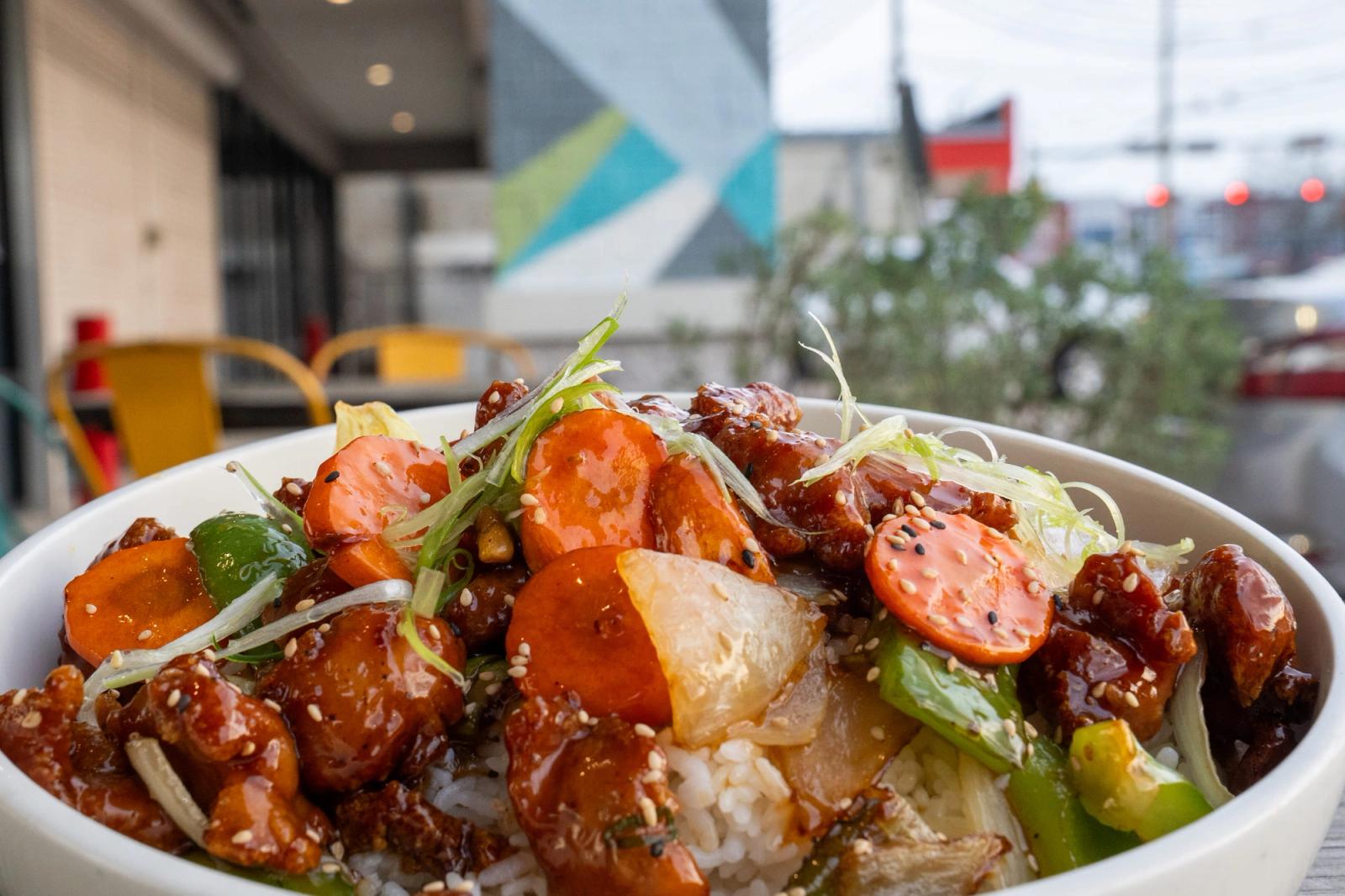
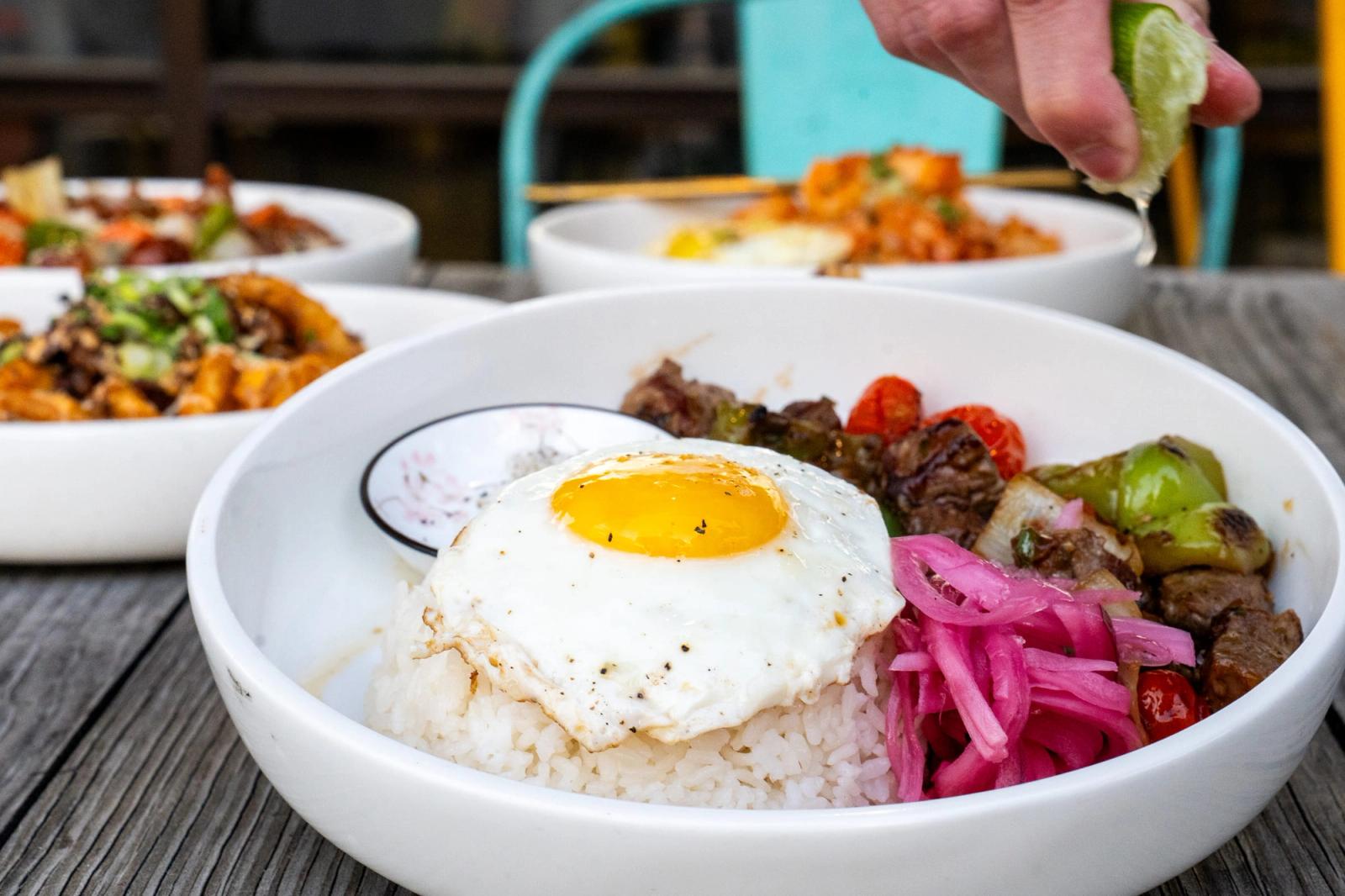
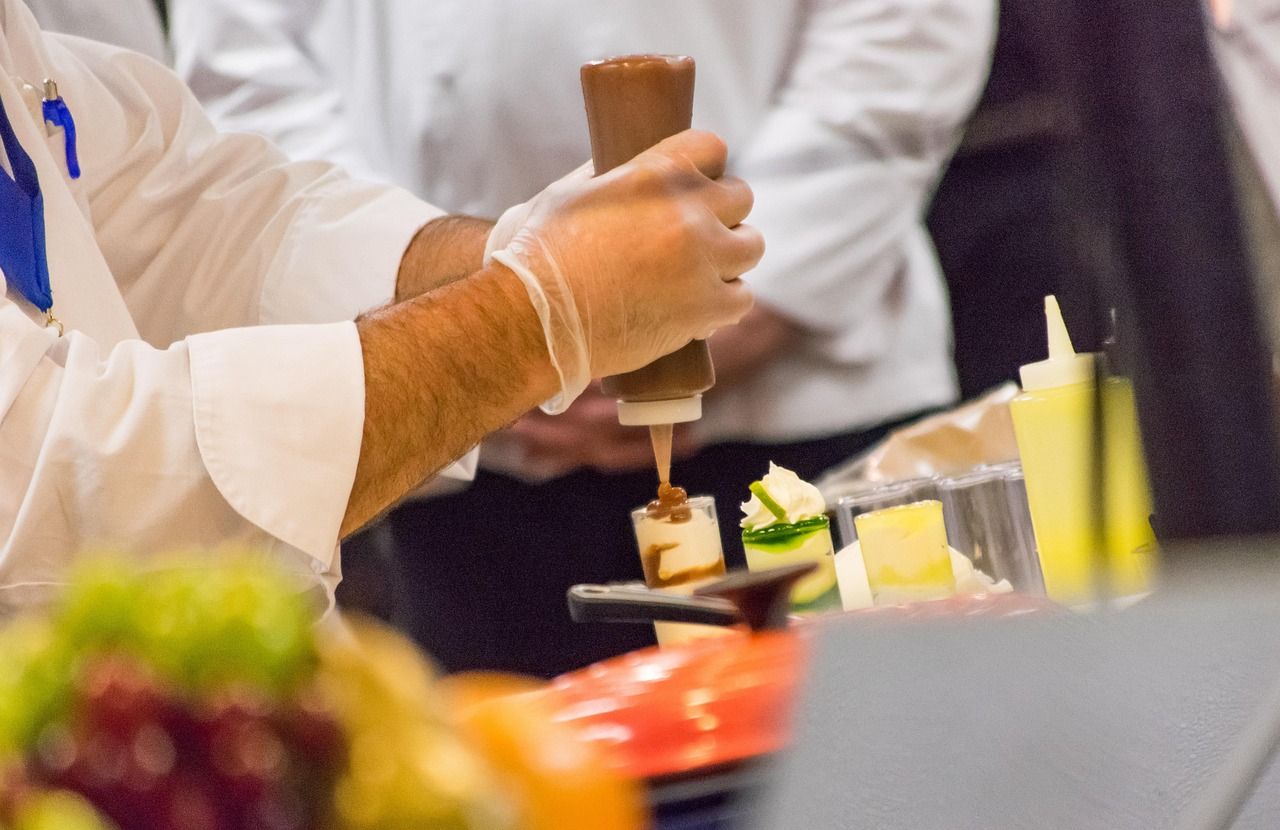
The photo or video that works best in a restaurant ad is a close, well-lit shot of the food or drink people come for, ideally short vertical video that shows it being made or served. In Toast's 2024 survey of 850 guests who use social media weekly, 84% said they prefer to see photos of food and drinks on a restaurant's social media page.
The same Toast survey found that 62% of respondents sometimes check a restaurant's social media before deciding to dine there. That means the ad is only the first step. When someone taps through, your page should show the same food looking just as good.
Most restaurants already have their first ads sitting on their phones. Look at the posts and reels that got the most comments and shares in recent months: those are proven creative, and Facebook ads for restaurants tend to do better when they start from something guests have already reacted to. Pull them into Ads Manager and give each one its own ad.
A few things that help:
- Show the food in the first second. People scroll past a slow logo opener.
- Shoot vertical so the ad fills the screen in Stories and Reels.
- Feature one dish or one drink per ad, so you can tell which one sold.
- Keep text on the image short: the dish, the offer, the day.
- Show the room or the crew when the atmosphere is the reason people come.
If your camera roll is thin, our food photo shot list covers what to capture for each channel in a single session.
How do I tell if an ad brought people in?
The clearest way to tell if an ad brought people in is to give the ad something only it carries, such as an offer, a code or a tracked link, and then count it in your POS or ordering system. Clicks and reach in Ads Manager tell you the ad was seen. They don't tell you anyone ate.
Ways to connect an ad to real guests:
- An ad-only offer. Put a phrase or code in the ad and nowhere else, and add a button for it in the POS so staff can ring it up.
- A tracked link. Send ad clicks to your online ordering page with a tracking tag so orders show where they came from. If your ordering platform connects to Meta's pixel, you may be able to see those orders inside Ads Manager too.
- Same-day comparisons. Compare sales for the same weekday before and during the campaign, so you're comparing Tuesdays with Tuesdays.
- Asking. Add "How did you hear about us?" to the loyalty signup, or have the host ask new faces.
For a rough sense of whether the ad itself is landing, WordStream's 2024 Facebook ads benchmarks put the average click-through rate for traffic campaigns in the Restaurants & Food category at 2.19%. Treat it as a sanity check, not a target, because a click is a step toward a visit rather than the visit itself.
Facebook ads for restaurants are only worth what they bring through the door, and a guest list makes that easier to see. Yoyo's Hotdog spent over a decade as the Houston spot people lined up for after a night out, and after we rebuilt its brand, content and loyalty program, it saw 229% sales growth in year one and went from zero to 38,000 loyalty members. Each of those members is a person you can count, reach and bring back. The Yoyo's Hotdog story shows how that came together.
Want ads made from your own food and crew?
The easiest way to start running a real ad is with creative that already looks like your place. Our demo shoot is two hours of filming at your restaurant, or at the truck if you run a food truck. Three days later you get a reel, ten photos and a written plan for using them, including in your first ads, and you keep the content either way.
Book your demo shoot and we'll bring the camera.