Short answer: Start about eight weeks before opening by setting your opening date on Google, verifying the listing and posting the build-out on social media every week. Then run a soft opening for neighbors and early followers, ask every real guest for an honest review without offering a reward, and spend the first month turning first visits into return visits.
Most advice on how to market a new restaurant opening is a list of buzz ideas: a ribbon cutting, a giveaway, an influencer night. Those can help, but they skip the order things actually happen in. Your Google listing has to exist before anyone can find you, your sign may arrive late, and your first reviews depend on how the first few weeks of service go.
You are also not opening into an empty market. Yelp's Business Openings Report counted 53,793 new restaurant openings in 2023, up 10 percent from 2022, according to QSR Magazine's 2024 coverage of the report. Habit works against you too: Toast's 2026 restaurant industry statistics found that 48% of diners go to a favorite restaurant when they go out instead of trying somewhere new.
So this guide is a countdown. It runs from eight weeks out to the end of your first month, in the order Houston owners usually face each step.
How early should I start marketing a restaurant before it opens?
Start your pre-opening restaurant marketing about eight weeks before your target date, and set up your Google listing even earlier if you already know the month you plan to open. Eight weeks gives you time to build a following from the build-out, line up a soft opening and fix problems before the public arrives.
Starting the week you open means your first guests find a listing with no photos and an Instagram account with a handful of posts. The order of the steps matters more than any single idea when you are working out how to market a new restaurant opening.
Here is the countdown at a glance:
- Eight weeks out: Set your opening date on Google, verify the listing, claim your social handles and post the first build-out photo.
- Six weeks out: Post from the site two or three times a week. Start collecting emails or phone numbers from anyone who asks when you open.
- Four weeks out: Shoot real food photos as soon as the kitchen can cook. Confirm your hours and menu on Google.
- Two weeks out: Send soft-opening invites. Announce a firm public date only once inspections are behind you.
- Opening week: Run the soft opening, fix what breaks, then open the doors.
- First month: Ask for reviews, answer every one, and invite first-time guests back.
The dates will slide. That is normal, and the sections below cover what to do when they do.
When should I create and verify my Google Business Profile if the doors are not open yet?
Create and verify your Google Business Profile as soon as you have the address and a target month, because Google will show a verified pre-opening profile 90 days before your opening date. According to Google's Business Profile Help page on opening dates, you only need to enter the year and month, and you can set a date up to one year in the future.
That means your new restaurant Google listing can start appearing in search and Maps about three months before you serve a single plate. For most owners, figuring out how to market a new restaurant opening starts here, not on Instagram, because the listing is where people land when they search for your name after seeing a post.
Verification can take longer than you would like, so do it early instead of in the last busy month. Before you open, the listing should have:
- The correct address and the right primary category
- Photos of the space, the storefront and early dishes as soon as you have them
- A short description of what you will serve
- A link to your website or social account so people can follow along
Google's same help page says that once the business opens, the profile shows a "Recently opened" tag for 90 days. Treat that window as your launch period. It tells searchers you are new, so your photos, hours and menu should be complete and accurate on day one.
If you are not sure which photos the listing needs, our shot list for every channel walks through them one by one.
What do I do when permits or signage push the opening date back?
Update your opening date in your Google Business Profile the same day you know it has moved, then tell your followers plainly. Inspections, permits and sign installs are common reasons an opening slips, and a listing that promises a date you cannot keep sends people to a locked door.
Delays are also something to post about. A short video that says the inspection got pushed and gives the new target month is honest, and it keeps people following. Owners who explain what is happening tend to get patience in the comments.
Hold off on announcing an exact public opening day until the last inspection is done. Until then, a month or a season is enough.
If your permanent sign is late, put up a temporary banner and pin a post with a photo of the storefront so first guests can find the door. Check that your Google pin sits on the right entrance, which matters a lot in a busy strip center.
What should I post on Instagram while the build-out is still happening?
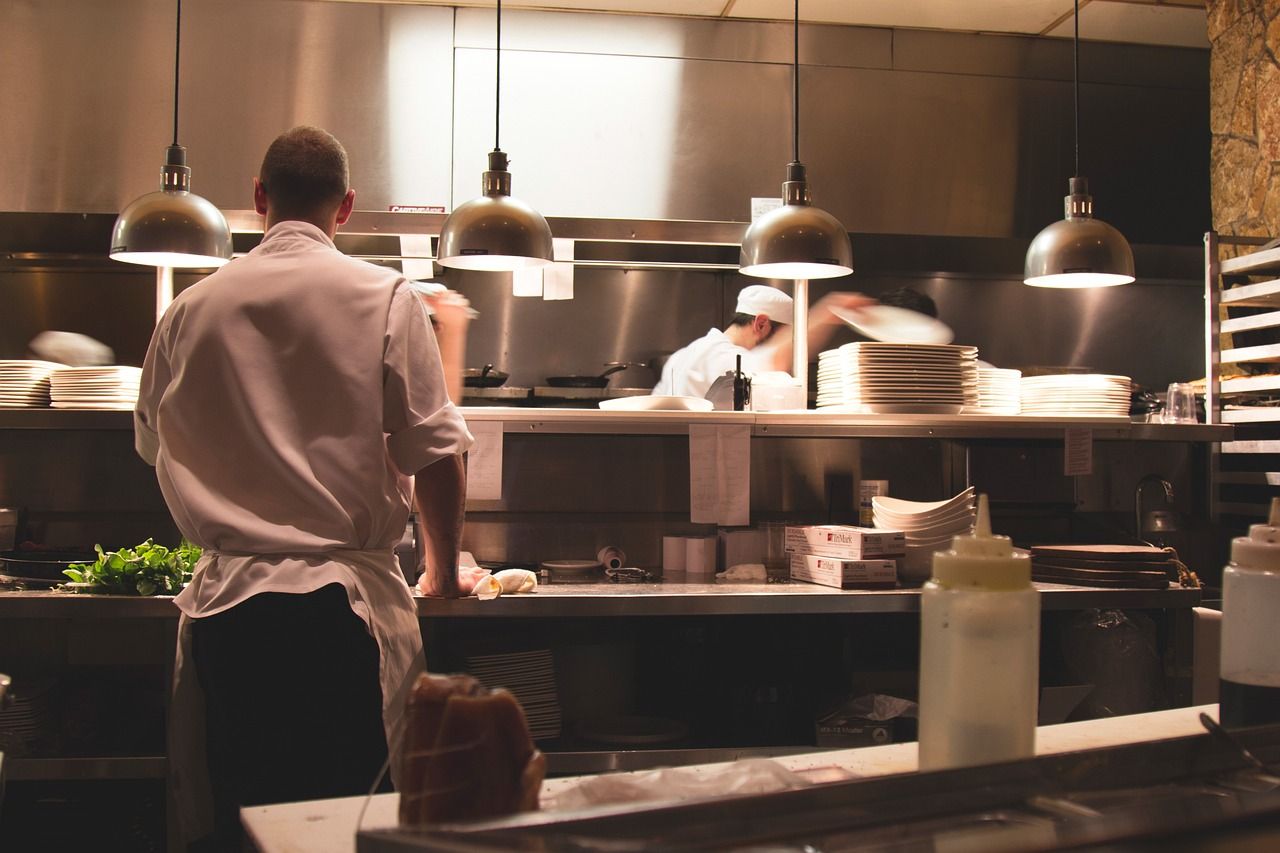
Post the build-out itself: the empty room, the equipment arriving, the menu testing and the people who will cook for your guests. In Toast's 2024 survey of 850 guests who use social media at least once a week, 18% said they follow a restaurant when it is a new place they want to try. Those are the people your build-out posts are for.
Social discovery carries extra weight in a city like Houston. Toast's 2026 restaurant industry statistics found that 50% of diners say social media played a role in discovering a restaurant, rising to 56% among urban diners and falling to 42% among rural diners.
Do not skip Facebook while you focus on Instagram. In the same 2024 Toast survey of 850 weekly social media users, 59% said they use Facebook most to discover new restaurants, so cross-post your updates there.
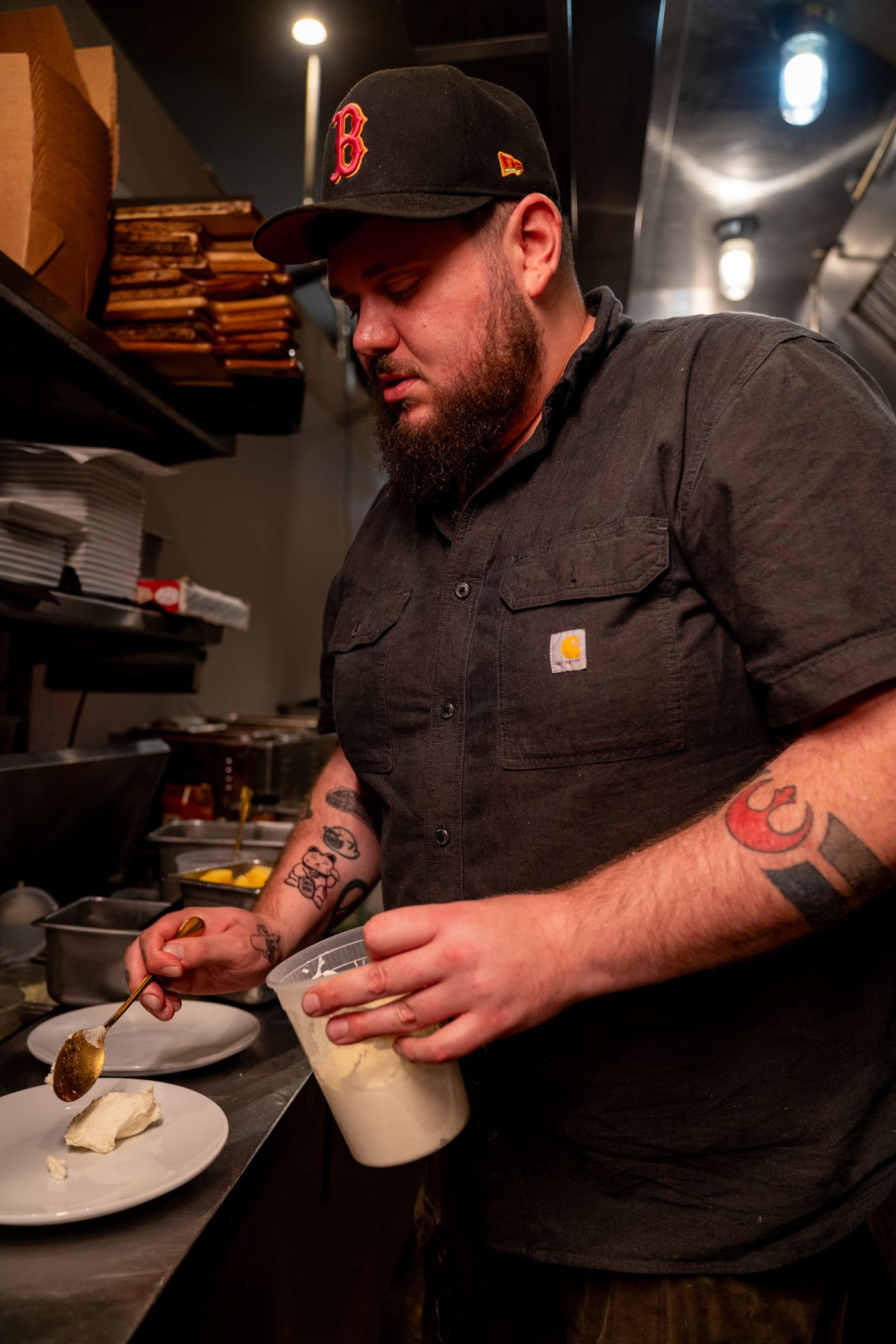
Restaurant opening social media ideas that work during the build:
- Before-and-after shots of the same corner, taken from the same spot each week
- The chef testing a dish and explaining what changed since the last version
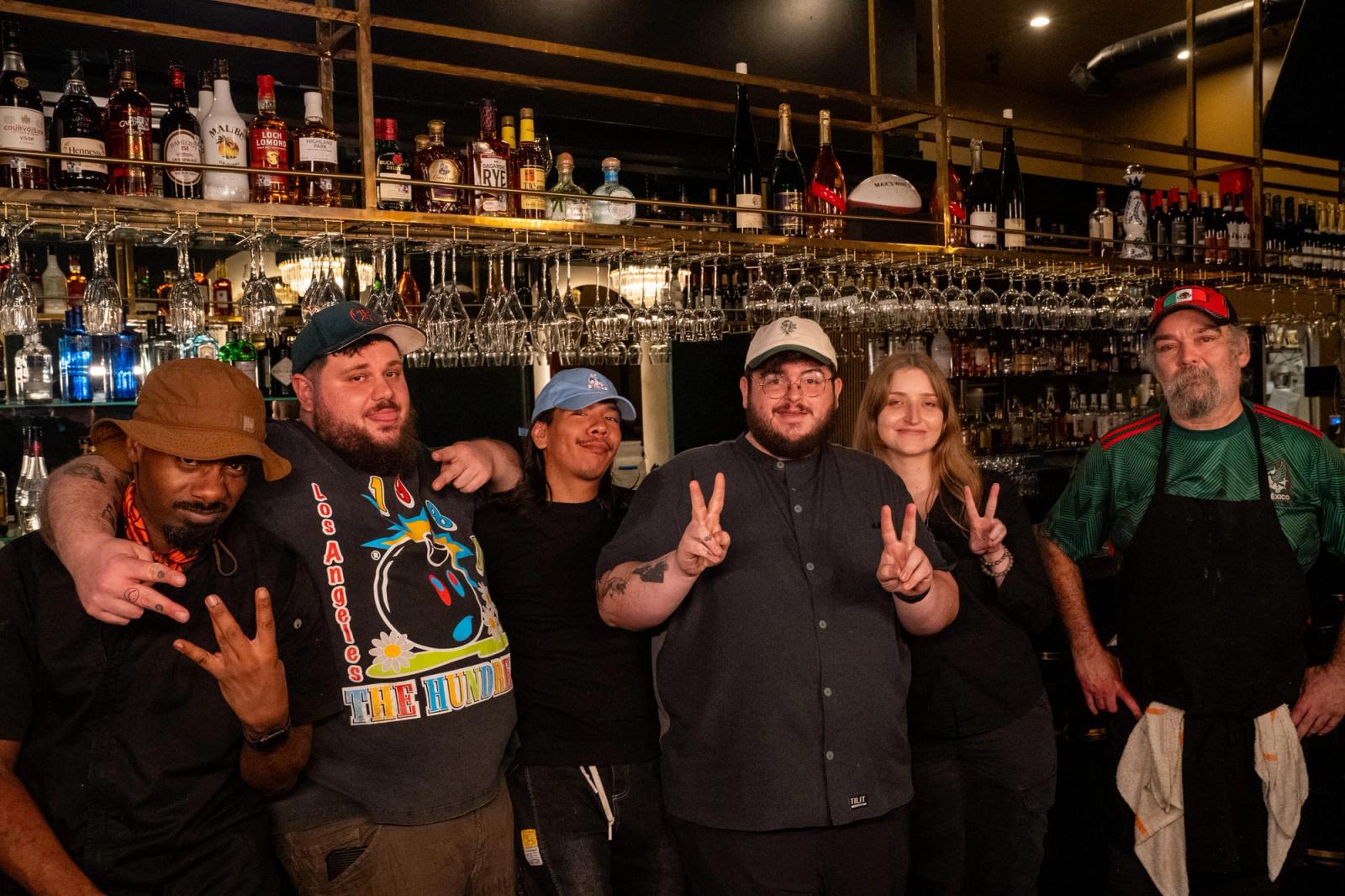
- Meet-the-crew posts as you hire
- The sign going up, the first delivery and the first ticket printed
- A question box in stories asking what people hope is on the menu
If you would rather hand off the posting and the comment replies while you are buried in the build-out, that is the work our social media management team takes on.
Should I do a soft opening, and who do I invite?
Yes, most new restaurants should run a soft opening, and the guest list should be people who will give honest feedback and come back: neighbors, nearby workers and the followers who engaged most during the build-out. A soft opening is a few days of limited service that exists to find problems before full-price guests do.
It is the least flashy part of how to market a new restaurant opening, and often the most useful. The National Restaurant Association's 2025 State of the Restaurant Industry report found that 64% of full-service customers and 47% of limited-service customers say their dining experience matters more than the price of the meal. A soft opening is where you practice that experience: ticket times, the host stand, the music volume and the restroom supplies.
Who to invite:
- Neighbors and the staff of nearby businesses who could become weekday regulars
- The people who commented and messaged most during the build-out
- A few local food writers or creators if it fits your place, with no conditions on what they post
- Friends and family to test the system, though they should not be your source of reviews
Here is how that might look. Picture a Korean fried chicken spot getting ready to open on Long Point Road in Spring Branch. A soft opening in Houston for a place like that could be two invite-only evenings for the nearby apartment complexes, the shops and offices along the strip, and the followers who asked about the menu in their messages. On the first night they find out the fryer setup cannot keep up with a full dining room and to-go orders at the same time, and they fix it before the public opening.
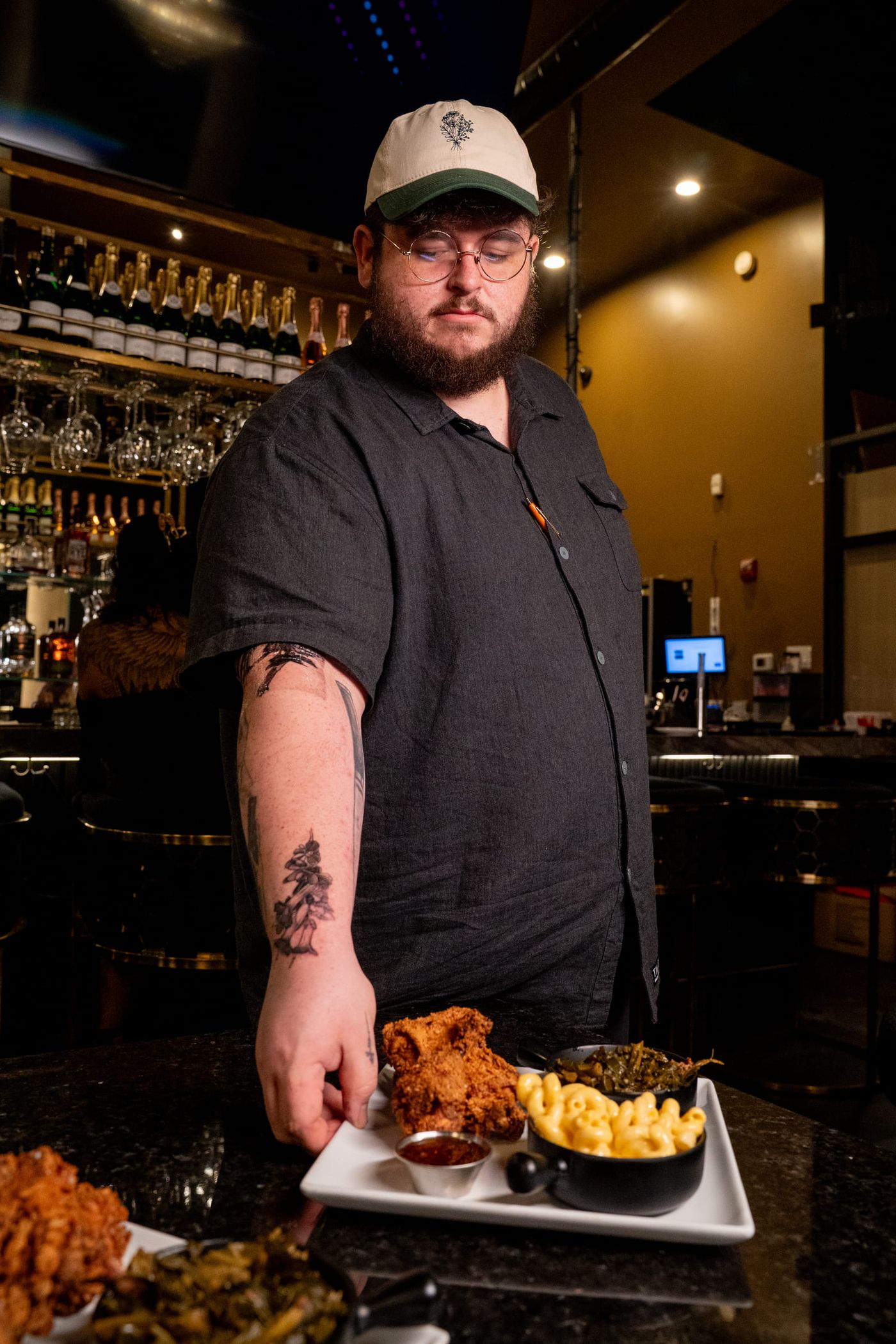
Give every soft-opening guest something to take home: a card with the opening date and a QR code to join your email or text list. Do not tie the free meal to a review. A meal offered in exchange for a review counts as an incentive under Google's rules, which the next section covers.
A 90-day marketing plan for your restaurant
Fifteen pages covering what to post, what to spend, and what to track with a content calendar and ideas for you to post with.
Plan will be delivered via email with the PDF attached.
We only use your email to send the plan. Privacy policy
How do I get the first 20 reviews without breaking Google's rules?
Ask every real paying guest in your first weeks for an honest review, make it easy with a QR code or a short link, and never offer anything in return. Google's policy against incentivized reviews, as summarized by PinMeTo in 2026, bans offering money, discounts, gifts or other benefits in exchange for a review, including offers made to get a negative review changed or removed.
Asking is allowed, and attaching a reward is not. PinMeTo notes that one penalty Google can apply is blocking the profile from receiving new reviews or ratings for a set period of time, which would hurt badly during your first months. That rules out the free appetizer for a review, the discount for showing a posted review and the raffle entry for reviewers.
Watch who is posting, too. According to Birdeye's 2026 summary of Google's review policy, business owners, current employees, former employees and direct competitors are not allowed to post ratings or reviews. Your staff cannot help you reach your first 20, and reviews from close friends and family may be flagged as a conflict of interest, so build the count from real guests.
Ways to ask that stay inside the rules:
- A small card with the check or in the to-go bag: "Was this your first visit? We would love an honest review."
- A QR code at the register that opens your review form directly
- Staff asking in person at the end of a visit that went well
- A link in your post-visit email or text to people who joined your list
Reply to every review in the same week, good or bad. Early guests read the replies as much as the reviews, and a calm, specific answer to a rough first-week review shows you are paying attention.
What should a Houston opening budget cover in the first 30 days?
A first-month marketing budget should cover photos and video of the real menu, the soft opening's food and labor, opening signage, a small paid push to nearby neighborhoods and the tools to collect guest contact information. We do not know of a reliable survey of what Houston openings spend, so plan by category instead of borrowing a percentage someone else picked. For the name, logo and menu side, see the brand pieces a restaurant needs before opening.
- Photography and short video of the actual menu, the room and the crew
- Soft-opening food and labor
- Temporary signage, banners and printed cards with QR codes
- Paid social ads aimed at the neighborhoods around you, with the ad budget in your name and paid straight to the platform
- An email or text tool, plus a way to sign people up at the counter and in your ordering flow
- One opening offer, if you use one at all
Restaurant grand opening marketing usually centers on a deal, and established restaurants are running deals too. The National Restaurant Association's 2025 State of the Restaurant Industry report found that 47% of operators planned to add new discounts, deals or value promotions to drive traffic. When owners ask how to market a new restaurant opening on a tight budget, our answer is that an offer alone rarely stands out, while a reason to come back does.
That is why part of the first month should go to building your guest list. Yoyo's Hotdog spent over a decade as the Houston spot people lined up at after a night out, and its loyalty program started from zero. According to our case study, Yoyo's reached 38,000 loyalty members from zero and 229% sales growth in year one. Yoyo's was not a new opening, but the lesson carries over: a list you start on day one is the list you can bring back on a slow night. You can read how we rebuilt Yoyo's brand and loyalty program for the full story.
What comes after the first month?
After the first month, shift from launch posts to a steady weekly routine built around what is already happening in your kitchen and dining room. Google's Business Profile Help page says the "Recently opened" tag stays on your profile for 90 days after opening, so months two and three are still part of your launch window.
Knowing how to market a new restaurant opening gets you through the first few weeks. The job after that is turning first visits into regular ones, with consistent posts, fast review replies and messages to the guests who joined your list. Our 90-day social media plan built around your shifts picks up right where this countdown ends.
Want us to film your opening?
If you are a few weeks from opening or in your soft-opening week, a demo shoot is a simple way to get real content before the rush. We spend two hours filming at your restaurant, or at the truck if you run a food truck. Three days later you get a reel, ten photos and a written plan, and you keep the content either way.
Book your demo shoot here and we will find a time that works around your build-out and inspections.