Short answer: Of all the restaurant marketing trends 2026 has brought, two matter most for a single location. Own your guest list, keep your details accurate where AI search tools look, and let custom apps and new platforms wait until those basics run.
Most write-ups on the restaurant marketing trends 2026 is bringing aim at chains, and they treat every new tool as urgent. This one is for the owner who runs one dining room and one kitchen in Houston, with a few spare hours a week for marketing at most.
We sort each trend into act now, watch, or ignore. We start with the trend with the fastest payback for a small operation. It is guest data ownership, meaning a list of guests you reach directly without paying a platform every time.
What changed in restaurant marketing for 2026?
The biggest change is how diners find places to eat. They now ask AI tools for suggestions, and they are more willing to try somewhere new than they were a year ago. Both shifts make it easier to win a first visit and easier to lose the guest afterward.
BrightLocal makes local search software and surveys consumers every year about how they choose local businesses. In its 2026 Local Consumer Review Survey, BrightLocal found 45% of consumers used AI tools for local business recommendations in the past year, up from 6% the year before. Few owners have ever checked what those tools say about their restaurant.
Toast is the point-of-sale system many restaurants use to take orders and payments. It also runs regular diner surveys. Toast's 2025 survey of 1,466 US adults found 64% of guests had tried a new restaurant in the past month. In Toast's 2024 survey, the same figure was 39%.
Put those together and the picture is clear. Diners are exploring, and they have new ways to find you. But a guest who finds you through an AI answer and eats with you once has no built-in reason to come back. So this post puts keeping guests ahead of chasing new ones. For the sales side of that argument, see how to increase restaurant sales by bringing regulars back.
How should a one-location owner sort the 2026 trends?
Ask three questions about each trend. Does it bring guests back? Will the staff you already have manage it? Is it likely to pay for itself this year? A trend passing all three goes on the act-now list. One that matters but is still settling goes on the watch list. Set everything else aside for now.
Here is where each of the restaurant marketing trends 2026 is bringing lands for a single Houston location:
- Act now: build your own guest list of emails and phone numbers, and keep your Google listing and website accurate.
- Watch: AI search and chatbot recommendations. Check them regularly, fix wrong information, and don't pay anyone for a guaranteed spot.
- Ignore for now: custom apps, being on every new platform at once, and expensive tech built for multi-unit groups.
Why does everyone say to own your guest list?
Owning your guest list means you reach the people who already like your food on your own schedule. Research on regulars shows those guests are worth the effort. In practice it means names, emails, phone numbers and birthdays stored in a system you control. Delivery apps and social platforms don't always share guest contact details with you, and their rules change without much notice.
Regulars behave differently from first-time guests. In Toast's December 2025 diner survey, 49% of guests said they tip more at a restaurant where they consider themselves a regular, and another 32% said they occasionally do. Your staff feel the difference when the same faces keep coming back.
Square sells point-of-sale and payment tools to restaurants. In its 2025 Restaurant Trends report, Square found 83% of restaurant leaders with loyalty programs said those programs drive larger orders and repeat visits. Those same leaders said the programs have provided a return on investment. The survey covered restaurants in the US, UK, Canada and Australia, so read it as a broad signal rather than a Houston-specific one.
Square ran a separate 2025 study with Restaurant Business, a restaurant industry trade publication. It focused on quick-service restaurants and found loyalty members spend 40% more per visit and visit 64% more often than non-members. If you run a counter-service spot, this study sits closer to your business than most.
These are the restaurant retention trends worth paying attention to. Operators who measure loyalty keep reporting how much repeat guests carry the numbers. A guest list is how a single location builds loyalty without a corporate budget.
Yoyo's Hotdog is the Houston client we have permission to name. For 15 years Yoyo's was the place people lined up for after a night out. The reputation kept the lights on but had stopped bringing new people in. We rebuilt the brand, the content and the loyalty program around the same menu. The result was 229% sales growth in year one and 38,000 loyalty members from zero, as told in the full Yoyo's Hotdog story.
Owning your guest list belongs firmly on the act-now list. Of everything in this post, it is the one asset that stays yours no matter which app or platform is popular next year.
How do I start building a guest list this month?
Start by asking for an email or phone number at the moments guests are already happy, and give them a clear reason to say yes. You don't need new software to begin, though a sign-up tied to your point-of-sale or ordering system saves typing later.
Ask at the counter or the table
A server dropping the check or a cashier handing over a bag can ask whether the guest wants to hear about specials and new dishes. A small card or a QR code on the table makes it easy to say yes later, after the meal.
Put the sign-up inside online ordering
Guests who order from your own website have already typed their name and contact details. Add a clear opt-in checkbox at checkout so they choose to hear from you, rather than assuming consent.
Give people a reason to join
A free dessert on their birthday, early word on seasonal dishes, or first notice of a pop-up gives guests something specific to sign up for. Pick a reward your kitchen delivers on a busy night without strain.
Send a welcome message right away
The first message sets the tone for everything after it. We cover what to send, and when, in the emails that follow a new sign-up.
Follow the rules for texting
Texting reaches guests on the phone they already carry, but carriers in the US expect businesses to register and collect clear opt-in before sending marketing texts. Our guide to getting text consent and registration right walks through it step by step.
If you would rather hand this off, our email and SMS marketing service builds the list at the counter and in your ordering flow. Then it uses that list to fill the nights that need filling.
Do I need to worry about AI search and ChatGPT recommendations?
You should keep a close eye on AI search and handle a few basics now, but you don't need to rebuild your marketing around it this year. ChatGPT is an AI chatbot from OpenAI that answers questions in plain conversation, and Google now shows AI-written answers above some search results. Both recommend restaurants when someone asks where to eat.
Diners use these tools to build a shortlist, not to make the final call. BrightLocal's 2026 consumer survey found 31% of consumers use AI tools for local business recommendations at least monthly. Among AI users in the same survey, only 18% felt ready to contact a business an AI tool recommended. Most people still check photos, reviews and the menu before they decide.
The answers also move around. In a 2026 study of 200,085 local searches, BrightLocal found only 20% to 33% average overlap between result sets when it repeated the same search. The overlap was 23% for ChatGPT, 21% for Google's AI Mode and 33% for Google's AI Overviews. Nobody is able to promise you a fixed spot in an answer that changes from one search to the next.
Diners are open to this, which is why it belongs on the watch list rather than the ignore list. Toast's December 2025 diner survey includes a section headed "50% of guests will consider using AI for restaurant discovery". In the same survey, Toast reported that 57% of respondents are comfortable with restaurants using AI.
What to do about AI search now
Google Business Profile is the free listing that shows your hours, photos, menu and reviews in Google Search and Maps, and you manage it yourself. AI tools may draw on listings, websites and reviews when they answer, so keep your hours, address and menu accurate everywhere they appear. Put your menu on your website as text rather than only as a photo or PDF, so both people and software read it easily.
Once a month, ask ChatGPT and Google where to eat in your neighborhood for your type of food. Note what comes back and fix any wrong information at its source. For the search side of this, our post on showing up when Houston diners search "near me" goes deeper.
For now, AI search for restaurants is worth watching and not worth panicking over. The steps that help you there are the same ones that help a hungry person who finds you on Google Maps.

A 90-day marketing plan for your restaurant
Fifteen pages covering what to post, what to spend, and what to track with a content calendar and ideas for you to post with.
Plan will be delivered via email with the PDF attached.
We only use your email to send the plan. Privacy policy
Which of the restaurant marketing trends 2026 brings can a small restaurant ignore?
You can set aside anything needing a large tech budget, a dedicated staffer, or a promise of guaranteed results. Hold off on those at least until your guest list and listings are in good shape. Ignoring a trend for now is a choice, not a failure, and most operators are not at the cutting edge either.
The National Restaurant Association is the largest trade group for US restaurants. In its 2026 State of the Restaurant Industry report, it found that 60% of operators say their restaurants are in the technology mainstream. Nearly 3 in 10 think they are lagging, and only 1 in 10 consider themselves at the forefront. The same report lists marketing and advertising among the areas technology affects most. The mainstream is a sensible place for a single location to be.
A custom branded app
A dedicated app makes more sense for groups with many locations. For one restaurant, a guest list plus a simple loyalty program inside your point-of-sale system covers the same ground with far less to build and maintain.
Every new social platform at once
Posting well on the channels your guests already use beats posting thinly on every new one. Add a platform when you see your guests there, not because a trend list says so.
Offers that guarantee a spot in AI answers
Be cautious with any paid package promising a fixed place in ChatGPT or Google's AI answers. BrightLocal's 2026 research on repeat local searches shows those answers shift from one search to the next. Accurate listings and steady reviews are a more dependable use of your money. Our questions to ask before hiring a marketing agency list other promises to be wary of.
Formats that don't fit your room
Viral formats come and go. If a trend asks your staff to perform something that doesn't match how your restaurant feels, skip it and film what is already happening on a busy night.
What does this look like for one Houston restaurant?
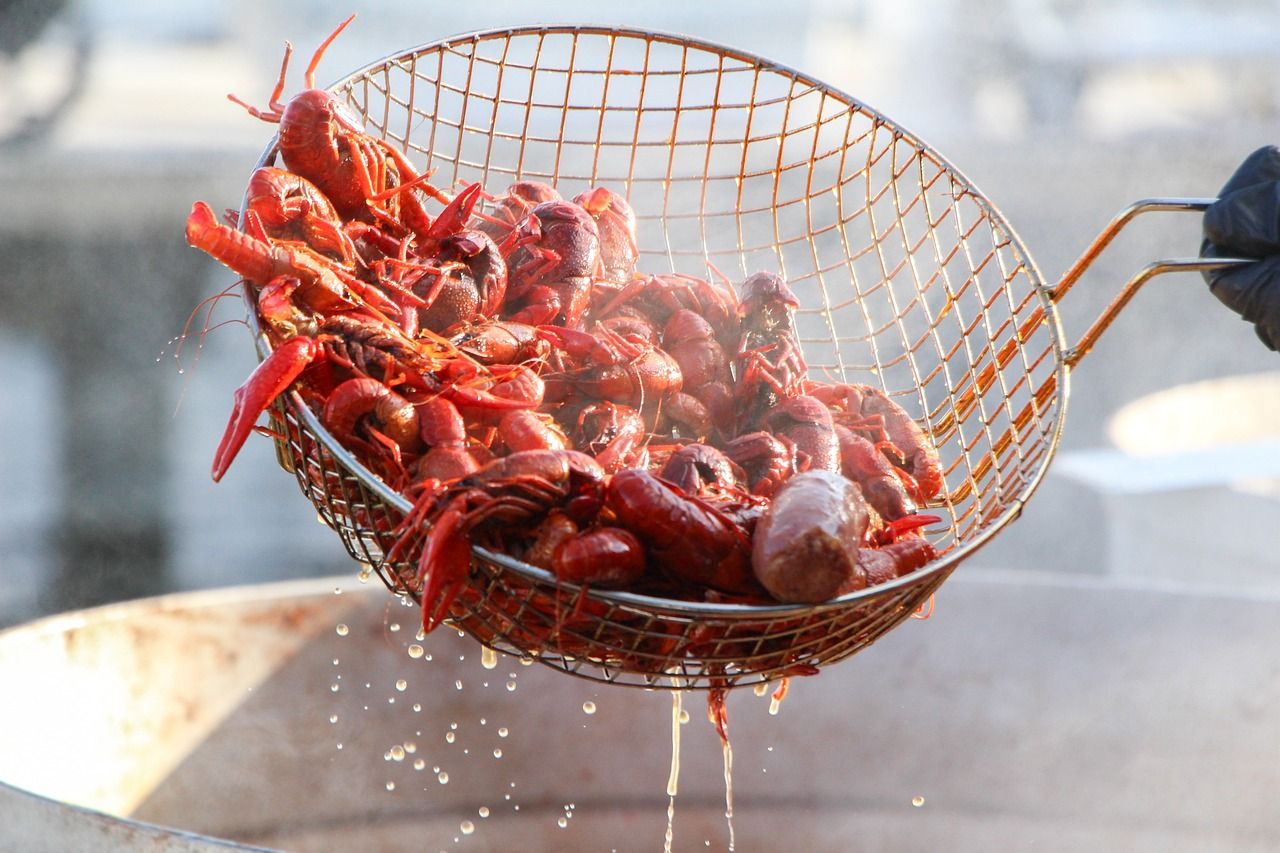
Picture a crawfish house in Alief. Guests pack it in season, and it goes quiet in the off months. Here is how the restaurant marketing trends 2026 is bringing would sort out for that owner.
On the act-now side, the cashier asks every table at checkout whether they want a text when the first boil of the season starts. The online ordering page adds an opt-in box. The Google listing gets updated with off-season hours the day they change, so nobody drives over to a locked door.
On the watch side, the owner asks ChatGPT once a month where to get crawfish near Alief and notes whether the restaurant shows up. If the hours or menu details are wrong, the owner fixes them on the listing and the website.
On the ignore side, the owner passes on a custom app and on any pitch for a guaranteed AI ranking. That time goes into the guest list instead, so when the season opens, there is a group of regulars waiting to hear about it.
What's the simplest way to get started?
The simplest first step is a demo shoot. We spend two hours filming at your restaurant, or at the truck if you run a food truck. Three days later you get a reel, ten photos and a written plan. The plan covers your guest list, your listings and which of the restaurant marketing trends 2026 has brought are worth acting on. You keep the content either way.
Book your demo shoot and we'll find a time that works around your service.