Short answer: If you're asking does social media help local SEO, the answer is no for direct ranking. None of the research we checked shows Instagram or TikTok posts moving a restaurant up in Google's local results. What social media does is send people to Google already searching for your name and remind happy guests to leave the reviews that shape how your listing looks.
Does social media help local SEO for a restaurant?
Social media helps local SEO indirectly, by putting your name in front of people who then look you up, review you and talk about you. It does not work as a ranking switch on its own.
Google's help pages describe local results as a mix of relevance, distance and prominence. Relevance is how well your listing matches what someone typed. Distance is how far you are from them. Prominence is how well known you are, which includes your reviews and how often you're mentioned around the web. Follower counts and how often you post on Instagram don't appear in that description.
Discovery is a different story. Toast makes point-of-sale systems for restaurants and publishes regular research on how diners behave. In its 2026 survey of 1,466 U.S. respondents, word of mouth was the top way guests found new restaurants, at 38%. Next came walking or driving past at 30%, Facebook at 27%, map apps at 18%, search engine results at 16%, Instagram at 15% and TikTok at 14%.
Facebook, Instagram and TikTok are the social apps where restaurants share photos, videos and updates with followers and with people nearby. In that Toast list they sit right beside map apps and search engines. A guest who sees your food on Instagram on Tuesday may be the same guest who types your name into Google Maps on Friday.
So, does social media help local SEO? Not as a direct signal. It feeds the reviews, searches and mentions that Google does pay attention to.
What does Google look at for restaurant local search?
Google looks at your Business Profile, how well it matches the search, how close you are to the person searching and how well known you are. Reviews are a big part of that last piece. Before you can answer does social media help local SEO for your own place, it helps to know what each of those means in practice.
Google Business Profile is the free listing that shows your hours, menu, photos, reviews and directions when someone finds you on Google Search or Maps. It's often the first thing a hungry person sees, so it deserves more of your time than any single social post.
Relevance comes from the details you fill in, such as your primary category, your menu, your description and attributes like outdoor seating or takeout. Distance you can't change, other than making sure your address and map pin are correct. Prominence builds over time through reviews, photos and mentions in local press and neighborhood roundups. Our guide to ranking for "near me" searches in Houston goes through each one.
Reviews matter to diners as much as to Google. According to Toast's reviews and ratings data, 46% of people check Google Reviews first when they look up restaurant ratings, while 23% check Yelp first. Yelp is the review site many diners read before trying a new place, so it's worth claiming your page there too.
Does posting on Instagram or TikTok help my Google ranking?
Posting on Instagram or TikTok does not directly help your Google ranking, as far as any platform or survey data we found can show. Google doesn't list social activity among the things that decide local results. None of the Google or Toast research we checked ties Instagram posts to a higher spot on the map.
Instagram is Meta's photo and short-video app, where many diners scroll food photos and save places to try. TikTok is a short-video app whose feed shows videos to people who don't follow you yet, which makes it useful for reaching new guests. Neither one feeds your Google ranking, but both are places people search.
That last point is the one owners miss. Toast ran a 2024 study of 850 diners who use social media at least once a week. In it, 42% said they prefer social media to search engines such as Google and Yelp when looking for new restaurants. The same 2024 Toast study found that 27% of guests ages 18 to 24, and 27% of guests ages 25 to 34, use Instagram to find new restaurants.
For younger guests the shift is bigger. Toast's 2026 discovery research found that TikTok is the top restaurant discovery channel for Gen Z, at 38%, ahead of every other source including word of mouth. Its pull drops off sharply with older generations.
So if you're asking does social media help local SEO on its own, the data we found says no. If you're asking whether people use social apps to find restaurants, Toast's numbers say yes.
That's the useful version of Instagram restaurant SEO, being easy to find inside the app itself. Name the dish and the neighborhood in your caption, tag your location, and use the same restaurant name everywhere so a search inside Instagram or TikTok lands on you.
Do Google Business Profile posts help local search?
Google Business Profile posts help most with the people already looking at your listing, and we found no platform or survey data showing they raise your ranking on their own. They look like social media posts but live on Google, which is why they muddy the question of does social media help local SEO.
A post on your Google listing can announce a special, an event, a new dish or holiday hours. Someone comparing two places nearby sees it next to your reviews and photos, so it can tip their decision even if it doesn't change where you appear.
Treat these posts like a notice board rather than a feed. A handful of current, accurate posts does more for a guest than daily posts that go stale. Fresh photos matter here too, and our shot list for every channel covers what your listing needs.
How does social media lead to more reviews and branded searches?
Social media leads to more reviews and branded searches by giving people your name to remember and a reason to say something about you after they visit. A branded search is when someone types your restaurant's name into Google instead of a general phrase like "brunch near me."
The chain usually runs in a simple order. Someone sees a video from your kitchen, remembers the name, searches it, visits and, if you ask at the right moment, leaves a review. That review then shows up for the next person comparing you with places nearby. These steps keep the chain moving.
Ask for the review while the meal is fresh
BrightLocal is a company that makes local marketing software and runs a yearly survey of consumers about online reviews. In its 2024 Local Consumer Review Survey of 1,141 U.S. consumers, 48% said food and drink businesses should ask for a review within two to three days of the visit. Another 24% expect the business to ask them the same day. A table card, a line on the receipt or a follow-up email inside that window fits what guests say they want.
Use one name everywhere
Your Instagram handle, TikTok name, Google listing and signage should match as closely as you can. When someone remembers "that place from the video," the name they type should land on your listing, not on a similarly named spot across town. Our guide to restaurant branding basics covers keeping the rest of the look consistent.
Give local writers something to find
Food writers, local newsletters and people who put together neighborhood roundups may browse social feeds when they look for new spots. A clear post with the dish, the neighborhood and the hours makes you easy to mention, and mentions around the web are part of how well known Google considers you.
Reply to the reviews you already have
Responding to reviews shows the next reader that someone is paying attention. It also gives guests who found you on social media a reason to trust what they see when they search your name.
Should I link my social accounts on my Google listing?
Yes, add your social links to your Google listing if the option appears for you. According to Google's Business Profile help page, businesses can add one link per social media platform. The feature is only available in select regions and may not show up on every profile yet.
If you can't find the option, that's probably why, and nothing is wrong with your account. Google's help page also says it doesn't currently provide performance metrics or click tracking for these links, so you won't see how many people tapped through.
The links are still worth adding. They let someone checking your listing jump to your Instagram to see the room, this week's specials and what the food looks like right now. Google hasn't said they affect ranking, so add them for your guests rather than for the algorithm.
A 90-day marketing plan for your restaurant
Fifteen pages covering what to post, what to spend, and what to track with a content calendar and ideas for you to post with.
Plan will be delivered via email with the PDF attached.
We only use your email to send the plan. Privacy policy
Where should a busy owner post first so guests can find them?
A busy owner should start with the Google listing, then reviews, then one social channel their guests use. That order puts limited time where people check you out first.
First, make your Google listing complete and correct
Check your hours, holiday hours, address, phone number, menu link, categories and photos. Wrong hours can cost you a visit faster than any missed post. If Google keeps showing the old ones, our post on why Google still shows old hours after you change them explains the fix.
Second, build a habit of asking for reviews
Pick one way to ask, show the staff how to do it, and keep it inside the few days after a visit that BrightLocal's 2024 survey of U.S. consumers points to. A steady trickle of reviews beats a one-time push.
Third, pick the one social channel that matches your guests
In Toast's 2026 survey of 1,466 U.S. respondents, Facebook led the social apps for finding new restaurants at 27%, ahead of Instagram at 15% and TikTok at 14%, while TikTok led for Gen Z. Toast's 2024 study of 850 weekly social media users found that 59% use Facebook the most to find new restaurants. If your crowd skews older, Facebook may be your first stop. If your regulars are in their twenties, Instagram or TikTok may pull more weight.
Post steadily on that one channel before adding another. Our 90-day social media plan built around your shifts lays out what to post week by week.
What does this look like for a Houston restaurant?
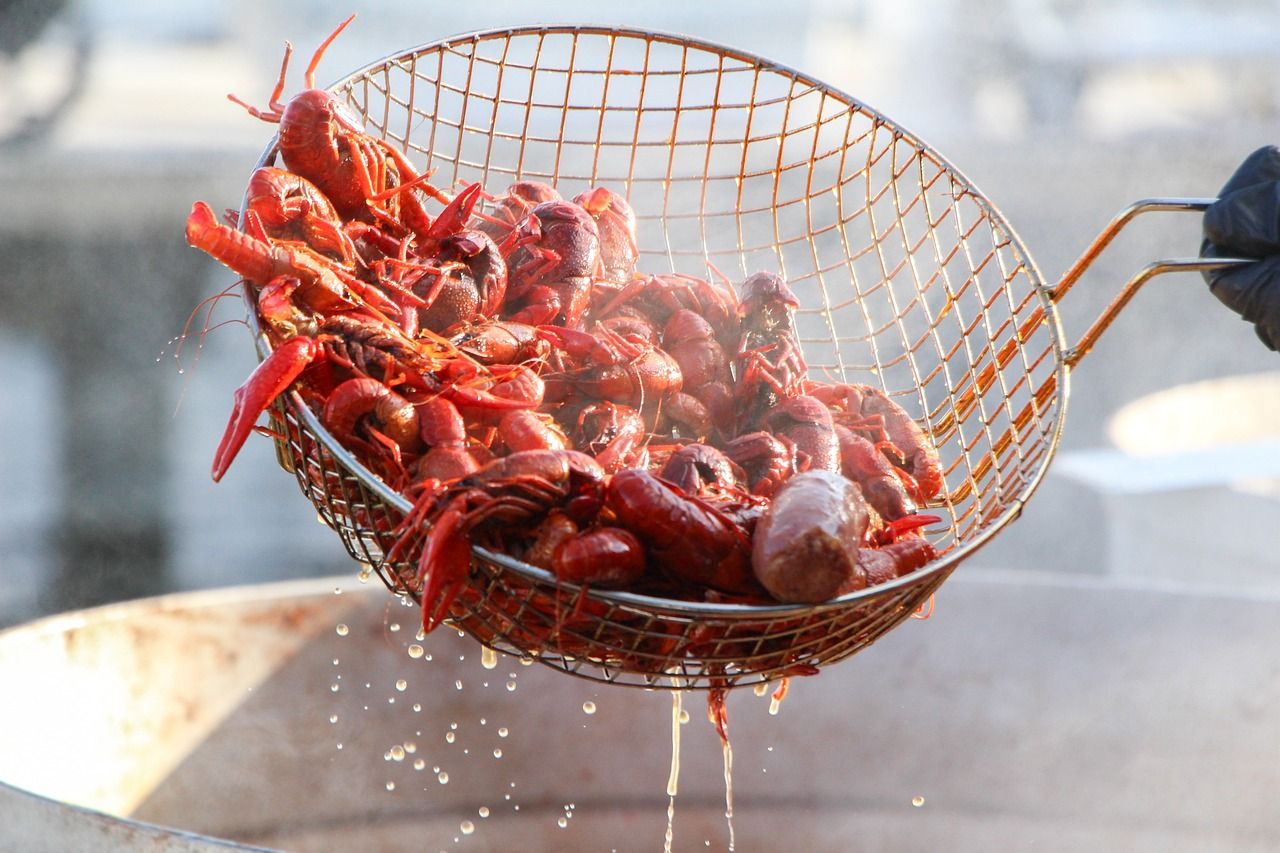
For a Houston restaurant, social media and Google ranking connect through the people who move between them. Picture a Viet-Cajun crawfish spot in Alief. A reel of the Saturday boil names the dish and the neighborhood. Someone saves it, searches the restaurant's name on Google Maps that Friday, sees current hours and a page of recent reviews, and drives over. Two days later a short email asks how it went, and a new review lands where the next searcher will see it.
Nothing in that chain asked Instagram to raise the restaurant's rank. Each step made the place easier to find and easier to choose.
Yoyo's Hotdog shows what happens when content and a loyalty program focus on the people who already know your name. Yoyo's spent over a decade as the place Houston lined up for after a night out, and that reputation kept the lights on but had stopped bringing new people in. We rebuilt the brand, the content and the loyalty program around a menu that never changed. The Yoyo's Hotdog case study records 229% sales growth in year one and 38,000 loyalty members from zero.
Owners who ask "does social media help local SEO?" are usually asking a simpler question, which is whether posting will bring people through the door. That depends more on giving people a reason to look you up than on any ranking signal.
Want to see what this looks like for your restaurant?
The easiest way to find out is a demo shoot with your own food. We spend two hours filming at your restaurant, or at the truck if you run a food truck. Three days later you get a reel, ten photos and a written plan, and you keep the content either way.
Book your demo shoot whenever it suits your schedule. If you'd rather hand off the calendar and the comments for good, that's what our social media management team does.